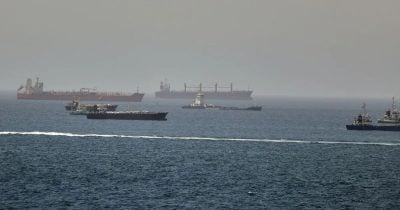
Iran has warned it will block oil shipments through the Strait of Hormuz if the country is attacked. The threat, if carried out, could choke one of the world’s most critical energy chokepoints and disrupt global oil supplies, sending shockwaves through major economies and raising the risk of a broader military confrontation.
The threat and its trigger
Iran’s warning is explicitly conditional: a blockade would come only in response to an attack. The statement did not specify what form an attack might take, but it signals Tehran’s readiness to weaponize the waterway in any future conflict. The Strait of Hormuz, a narrow passage between the Persian Gulf and the Gulf of Oman, is only about 33 kilometers wide at its narrowest point, yet it handles roughly a fifth of the world’s daily oil consumption. Any disruption there would be immediate and severe.
Global supply chain at risk
A blockade of the strait would not just affect crude oil. Liquefied natural gas and other goods also pass through the channel. Major economies in Asia — including Japan, India, South Korea, and China — rely heavily on oil shipped through Hormuz. European nations also import crude from the region. Analysts have long warned that a closure could send oil prices spiking and force governments to tap strategic reserves. But Iran’s latest threat makes that worst-case scenario feel less theoretical.
Geopolitical stakes rise
The threat comes amid heightened tensions in the Middle East. Iran and the U.S. have traded accusations over regional attacks, nuclear enrichment, and sanctions. While neither side has publicly detailed any imminent military action, the blockade warning raises the cost of any potential strike. The U.S. Navy’s Fifth Fleet, based in Bahrain, patrols the strait and has vowed to ensure freedom of navigation. A direct confrontation there would escalate far beyond an oil disruption.
For now, the threat remains rhetorical. No attack has occurred, and no blockade has been ordered. But Tehran’s message is clear: the Strait of Hormuz is a red line it is willing to defend — or exploit.