Iran has set conditions on the Strait of Hormuz and used Pakistan as a diplomatic channel to deliver them to the United States. The message links the strait to a demand that Washington return to the 2015 nuclear agreement. The move could reshape the US-Iran standoff while touching regional stability and global oil markets.
A Diplomatic Detour Through Islamabad
The choice of Pakistan as a go-between is notable. Iran and the United States lack formal diplomatic ties, so intermediaries often carry messages. Pakistan shares a border with Iran and has its own complicated relationship with Washington, making it a workable relay point. The facts don't specify the exact wording of the conditions, only that they concern the strait and are tied to a US return to the agreement. The pact in question is almost certainly the Joint Comprehensive Plan of Action, the deal that limited Iran's nuclear program in exchange for sanctions relief until the US withdrew in 2017.
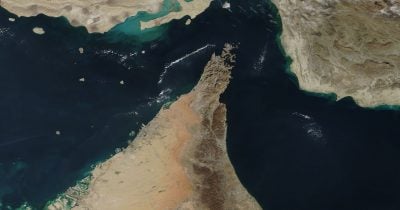
Iran's move suggests a readiness to negotiate, but with a lever attached. The Strait of Hormuz is the narrow waterway between Iran and Oman, a vital artery for oil shipments. Threats against it have long been part of Iranian rhetoric; now Tehran appears to be making the strait a bargaining chip in a bigger conversation.
What Tehran is after
For the Iranian side, the aim is straightforward: a US return to the JCPOA and the lifting of sanctions. After the US pulled out and reimposed penalties, Iran expanded its nuclear program beyond the limits of the deal. Tehran has said for years that it wants the sanctions gone. Now it is pairing that demand with the security of the strait.
The specific terms of the conditions aren't spelled out in the available information. But the coupling of the strait with the nuclear agreement sends a clear signal: Tehran is willing to use its most consequential strategic position as a point of leverage. The strait isn't just a local matter; it's a chokepoint through which a significant share of the world's oil moves.
Stability and the oil market
The stakes extend beyond the two capitals. Any change in the strait's status could tip regional balances. Iran has threatened closure in the past, though it has never followed through. The current approach is diplomatic rather than military, but the mere reference to the strait can rattle energy traders.
Oil prices respond quickly to signals from the Persian Gulf. The coupling of the strait with the nuclear talks increases the sensitivity of the market. If progress happens, prices might calm. If the channel stalls, the risk premium could climb. The global economy already faces supply pressures, so this adds another layer of uncertainty.
No timeline, no answer yet
There's no announced date for talks and no public response from Washington. Pakistan's channel is the only known path for the message. Whether the US accepts the conditions, rejects them, or offers a counterproposal remains the open question. The facts set up the new phase in a long standoff, but the next move is still unclear.