The United States has put a deal on the table: lift sanctions on Iran in exchange for Tehran reopening the Strait of Hormuz and stopping its proxy attacks across the region. The offer, which has not been formally announced by either government, was described by sources familiar with the matter as a direct attempt to dial down tensions in the Middle East.
What the offer requires
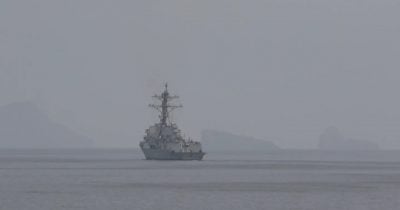
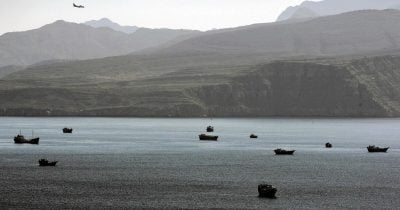
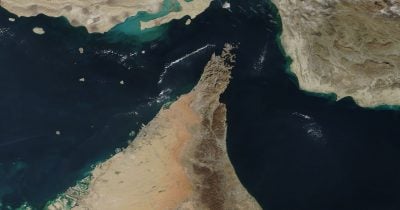
The conditions are two-fold. Iran would have to guarantee the free passage of oil tankers through the Strait of Hormuz, the narrow waterway that carries roughly a fifth of the world's petroleum supply. It would also have to cease backing militant groups that have launched strikes on U.S. allies and shipping lanes in recent months.
Iran has not publicly responded. But the proposal, as framed, gives Tehran a clear path to sanctions relief without demanding broader concessions on its nuclear program or ballistic missile arsenal.
Why the offer matters now
Global markets have been on edge for weeks. Tanker insurance premiums have spiked, and oil futures have swung wildly every time a vessel near Hormuz changed course. An agreement could flatten those curves, at least in the short term.
It could also shift the diplomatic calculus across the region. Countries like Saudi Arabia and the UAE have long pressed Washington to hold a harder line against Iran. If a deal moves forward, they would face a new reality: a U.S. administration willing to trade sanctions relief for maritime security. That's a trade they might not like.
Then there's the broader picture. A thaw with Tehran could realign old alliances and open the door for renewed dialogue on other files, from Iraq to Yemen.
What's in it for Washington
For the U.S., the offer is a hedge. Keeping pressure on Iran has worked in some ways, but it hasn't stopped the proxy attacks or the naval harassment. The current approach also carries its own costs: naval escorts, air patrols, and the constant risk of an accident that spirals into a wider war.
A deal that de-escalates the Strait would lower those costs. It could also give Washington leverage in separate talks over regional security.
The unresolved question
Nobody knows yet whether Tehran will take the deal. The Iranian government has historically rejected conditions tied to sanctions relief, and its military commanders have called the Strait its red line. But the oil economy is hurting, and sanctions have cut export revenue sharply.
If Iran says yes, the next steps would be technical: verification, a timeline for reopening the Strait, and a schedule for lifting specific sanctions. If it says no, the current standoff stays in place — with markets watching every move.
The offer has not been presented in writing, according to those familiar with the talks. That may change soon.