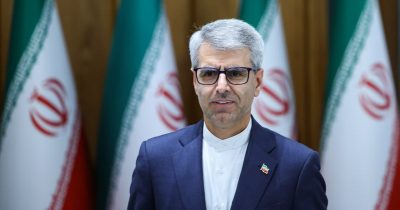
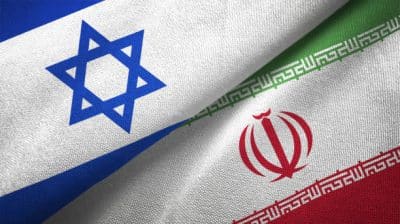
Iran has stepped up its control over the Strait of Hormuz, the narrow waterway through which roughly a fifth of the world's oil supply passes, raising the stakes in an already strained standoff with the United States. The move, confirmed by multiple shipping and security sources, comes as diplomatic channels between Tehran and Washington remain largely frozen over the unresolved nuclear deal and broader regional disputes. By consolidating its authority over the strait, Iran is signaling that it can disrupt global energy flows if pushed — a threat that experts say could backfire by hardening the US position.
A Vital Oil Chokepoint
The Strait of Hormuz, connecting the Persian Gulf to the Gulf of Oman, is one of the most strategically important waterways on the planet. Tankers carrying crude from Saudi Arabia, Iraq, the UAE, Kuwait, and Qatar must transit these narrow lanes to reach international markets. Any disruption — even a temporary one — can send oil prices spiking and trigger emergency talks among major economies. Iran’s tightened grip includes increased naval patrols, more frequent inspections of passing vessels, and, according to some reports, the positioning of anti-ship missiles along the coast.
Diplomatic Strains Deepen
The timing of Iran’s move complicates what little diplomatic backchannel communication exists. US officials have been pushing for renewed negotiations on Tehran’s nuclear program, but Iran has shown little interest in returning to the table. By flexing its muscle at Hormuz, Iran risks alienating the very partners — including China and European nations — that might otherwise mediate. The heightened control also puts Gulf Arab states on edge, as they rely on the strait for their own exports and could be caught in the crossfire of any escalation.
Global Markets on Edge
Oil traders are already pricing in a risk premium. Benchmark crude prices have inched up in recent days as the situation unfolds. While no major shipping disruptions have been reported yet, insurance rates for vessels transiting the strait are climbing. Shippers are weighing alternative routes, though none are practical for large tankers. The last major confrontation at Hormuz, in 2019, saw drone and mine attacks that briefly halved the region’s oil output. This time, analysts say the economic stakes are even higher, with inflation already squeezing consumers worldwide.
What Comes Next
Iran and the US have not scheduled any direct talks. The immediate question is whether Iran’s show of force will provoke a countermove — such as an expanded US naval presence or new sanctions targeting Iran’s shipping sector. For now, both sides appear to be calibrating their actions in a dangerous game of brinkmanship where one miscalculation could lock the world’s energy markets into a crisis that no one wants.