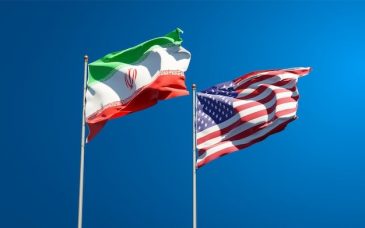
The United States has proposed a temporary waiver on oil sanctions against Iran as negotiators resume talks over the country's nuclear program. The move, still under discussion, could ripple through global energy markets, ease inflationary pressures, and shift the geopolitical calculus — particularly for Russia.
What the waiver would do
The waiver would allow some Iranian crude exports to resume without triggering U.S. penalties. It's a short-term measure, tied to progress in the nuclear negotiations. The exact duration and volume haven't been finalized, but the proposal signals Washington's willingness to offer economic relief in exchange for concessions on uranium enrichment.
Iran's oil output has been severely restricted under sanctions that took effect after the U.S. left the 2015 nuclear deal. Returning even a fraction of that supply to the market could help cool rising crude prices.
Energy markets and inflation
A temporary waiver could add barrels to a market already tight from OPEC+ production cuts and Russia's export disruptions. Lower oil prices would feed directly into lower gasoline costs and transport expenses, giving central banks some breathing room in their fight against inflation.
But the impact depends on how much oil actually flows. Iran's export infrastructure needs time to ramp up, and buyers — mostly in Asia — may be cautious about legal risks until the waiver is formally enacted. Analysts outside the talks say even a small increase in supply could shift price expectations.
Geopolitical ripple effects
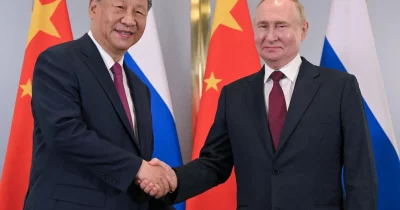
The waiver also touches a broader strategic web. Russia, a key OPEC+ member, benefits from higher oil prices that sustain its revenue amid Western sanctions. A flood of Iranian crude could undercut that advantage. At the same time, Moscow has its own ties to Tehran, including military cooperation, making the dynamic delicate.
European allies have pushed for a nuclear deal that includes sanctions relief, but they've also grown wary of Iranian drone and missile transfers to Russia. The waiver could test whether economic incentives can pull Iran away from its alignment with Moscow.
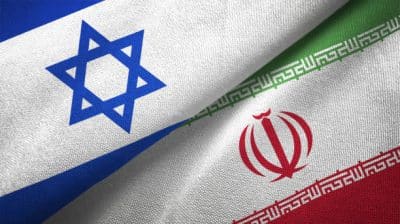
Israel and Gulf Arab states have voiced concerns about any deal that leaves Iran with a pathway to nuclear weapons. The temporary nature of the waiver is meant to address those fears — it's reversible if talks stall.
What comes next
Negotiators are expected to meet again in the coming weeks. The U.S. has not set a public deadline for the waiver's approval, but the proposal is seen as a confidence-building step. If the talks fail, the waiver could be withdrawn before any oil actually ships.