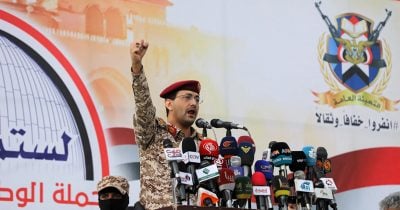
Iran has warned its enemies to expect "strategic surprises" as it adjusts its military posture, a shift that could raise tensions across the region and complicate efforts to resolve disputes through diplomacy. The warning, issued by Iranian officials, signals a more assertive stance that may also shape the course of future negotiations between Washington and Tehran.
A Warning Without Specifics
The warning was blunt but vague. Iran said its adversaries should anticipate "strategic surprises," without detailing what form they might take or when they might come. That ambiguity is itself a message: Tehran wants to keep its options open, and it wants its enemies to know that the status quo is no longer guaranteed.
The shift in military posture appears deliberate. It suggests a move away from defensive positioning toward something more unpredictable. For a country that has long emphasized its missile capabilities and regional influence, the message is clear: Iran is willing to change the rules of engagement if it feels cornered.
Rising Tensions in the Region
The immediate concern is that a more assertive Iran will unsettle its neighbors. Military postures are watched closely across the Middle East, and any sign of increased readiness can trigger responses from other armed forces. That dynamic raises the risk of miscalculation, particularly in areas where forces already operate in close proximity.
Regional tensions were already high before this warning. The new posture adds another layer of uncertainty. It may embolden some actors and alarm others, creating a more volatile environment where a single incident could escalate quickly.
Diplomatic Complications
Diplomacy thrives on predictability. When one side signals that it is willing to use "strategic surprises," it becomes harder for negotiators to build trust. The warning complicates efforts to resolve conflicts through dialogue, because it suggests that Iran may be willing to use military leverage outside the negotiating room.
This does not mean diplomacy is impossible, but it does raise the bar. Any attempt to engage Tehran will now have to account for the possibility that its military posture is shifting in ways that are not yet fully understood.
The warning comes at a delicate time for US-Iran relations. Future negotiations, whether on the nuclear program or other regional issues, could be directly affected by this shift. A more confrontational posture from Tehran may harden positions on both sides, making it harder to find common ground.
For Washington, the question will be whether the warning is a prelude to escalation or a negotiating tactic designed to gain leverage. For Tehran, the message may be that it will not negotiate from a position of weakness. The result is a diplomatic landscape that is more uncertain, and that uncertainty may itself become an obstacle.
What happens next depends on how Iran follows up on its warning. Whether the "strategic surprises" materialize, and in what form, will determine whether this is a rhetorical shift or a concrete change in behavior. Until then, the region waits, and diplomats will have to factor a new variable into their calculations.