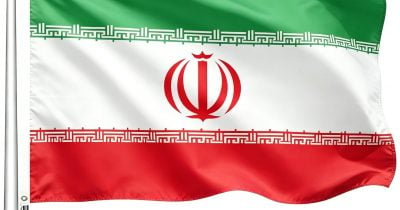
Iran has warned US warships not to alter their routes in the Strait of Hormuz, a narrow waterway that carries roughly a fifth of the world's oil. The warning, issued by Iranian military officials, comes as tensions between Tehran and Washington have been rising in recent weeks.
A Chokepoint for Global Oil
The Strait of Hormuz connects the Persian Gulf with the Gulf of Oman and the open sea. It's the most important oil chokepoint in the world. Any disruption there can send shockwaves through global energy markets. Tankers carrying crude from Saudi Arabia, Iraq, Kuwait, the UAE, and Iran itself all pass through these waters.
About 17 million barrels of oil move through the strait each day, roughly 20% of global consumption. A closure or even a slowdown would push up prices quickly. The last major scare came in 2019, when Iran seized several tankers and the US sent additional warships. That standoff ended without a full blockade, but the risk never fully went away.
The Warning from Tehran
Iran's warning was directed at US Navy vessels operating in the region. The exact wording hasn't been released, but the message was clear: don't change your current routes. Iran sees any shift in US naval movements as a provocation. The US Navy's Fifth Fleet, based in Bahrain, routinely patrols the area. It has not publicly responded to the warning.
Iran has a history of using the strait as leverage. It has threatened to close it before, and it has mined waters and harassed commercial ships. The current warning stops short of a direct threat to block the waterway, but it raises the temperature.
Ripple Effects for Shipping and Prices
Shipping companies are already watching closely. Insurance premiums for vessels transiting the strait could rise. Some firms may reroute around the Arabian Peninsula, adding days and costs. Oil traders are pricing in a risk premium. Brent crude has been volatile, and any further escalation could push it higher.
The economic impact wouldn't stop at the pump. Higher oil prices feed into inflation, affecting everything from transportation to manufacturing. Countries that rely heavily on Gulf oil, especially in Asia, would feel the pinch first.
No Immediate Escalation but Risks Remain
Neither side has signaled a desire for a direct military confrontation. But the situation is fragile. A miscalculation — a ship that strays too close, a warning shot that's misinterpreted — could spiral. The US and Iran have no direct diplomatic channel for de-escalation in the strait. The next move may come from the US Navy's response, or from Iran's actions if it perceives a violation.