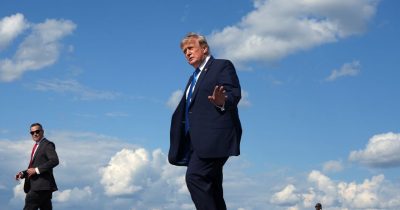
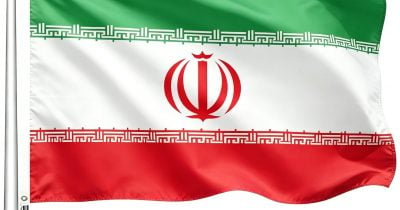
President Donald Trump has decided to abandon a planned military strike against Iran, a move that accelerates regional diplomatic efforts and could ease months of heightened tensions. The decision, made without a public explanation, signals a shift away from direct confrontation and toward engagement.
Why the strike was called off
The White House had been weighing a retaliatory strike after a series of incidents involving Iranian forces and U.S. assets in the region. But Trump ultimately chose not to proceed, according to administration officials. The reasoning behind the reversal remains unclear, though it appears to open the door for renewed talks.
Diplomatic efforts gain momentum
The decision is already reshaping the diplomatic landscape. Regional mediators, including European and Gulf state envoys, have stepped up efforts to broker a framework for negotiations. The move may encourage both sides to engage in direct or indirect dialogue, something that had stalled after previous rounds of sanctions and military posturing.
Impact on Iran's internal politics
Inside Iran, the abandonment of a U.S. strike could influence the country's political dynamics. Hardliners who favored a confrontational stance may lose leverage, while moderates pushing for a diplomatic resolution could see their position strengthened. The shift may also affect public opinion, as many Iranians have grown weary of economic pressure and the threat of war.
What comes next
No formal talks have been announced, but diplomatic channels remain open. The next steps will likely depend on whether Iran responds to the U.S. gesture with reciprocal moves, such as scaling back its nuclear program or reducing support for regional proxies. For now, the region watches for any sign of a breakthrough — or a return to the brink.