An Iranian missile struck a cargo vessel in the Strait of Hormuz, a narrow waterway that carries about a fifth of the world's oil, according to reports. The attack comes amid heightened tensions in the region and threatens to disrupt global oil supply routes, raising the risk of economic instability.
The attack on the cargo vessel
Details about the vessel and its crew remain scarce. No one has claimed responsibility for the strike, and Iranian officials have not commented. The ship was reportedly hit while transiting the strait, a critical chokepoint linking the Persian Gulf to the open ocean.
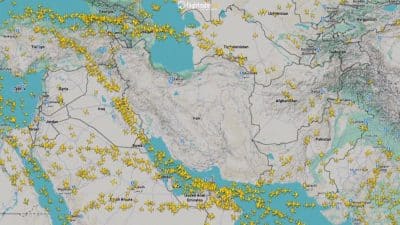
The Strait of Hormuz is about 33 kilometers wide at its narrowest point. Any disruption there can send shockwaves through energy markets. The attack is the latest in a series of incidents that have made the waterway a flashpoint for military and economic tensions.
Strait of Hormuz tensions and oil supply
The strait handles roughly 20 million barrels of oil per day. Even a temporary closure could cause prices to spike and strain economies already dealing with inflation and supply chain issues. Iran has threatened to block the strait in the past, but this missile strike marks a concrete escalation.
Shipping companies are likely to reconsider routes. Insurance premiums for vessels passing through the strait could rise. Some may reroute around the Arabian Peninsula, adding weeks to voyages and increasing costs. The impact on global trade could be immediate, especially for oil importers in Asia and Europe.
What happens next
It is not yet clear whether the missile strike was a one-off or the start of a broader campaign. The U.S. Navy's Fifth Fleet, based in Bahrain, has not issued a statement. Maritime security firms are warning clients to avoid the area until the situation is assessed.
Oil markets will watch for any further disruptions. If shipping through the strait becomes too risky, the global economy could face a new shock. For now, the question is whether this attack will remain isolated or escalate into a wider confrontation that threatens a vital artery of global energy supply.