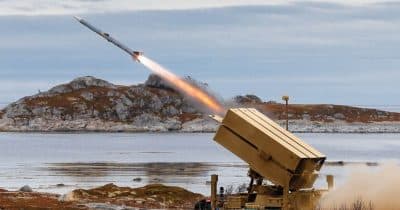
Iranian forces struck US naval vessels near the Strait of Hormuz with ballistic missiles and drones early Thursday, sending shockwaves through cryptocurrency markets and prompting the launch of a Bitcoin insurance scheme. The attack, which marks the first direct military engagement between the two countries in the volatile waterway since 2023, triggered a sharp sell-off that erased billions in digital asset value within hours.
The Attack
Multiple missiles and drones were fired at US Navy destroyers and patrol ships operating in the strategic choke point, according to Pentagon briefings. No US casualties were immediately reported, but the skirmish halted commercial shipping traffic — and crypto traders took notice. Bitcoin dropped more than 12% in the first hour of trading after the news broke, while altcoins saw even steeper losses.
Market Reaction
The sell-off was broad but brief. By midday, Bitcoin had recovered roughly half its lost ground as bargain hunters stepped in. Trading volumes surged across major exchanges, with some reporting record order-book imbalances. A handful of smaller platforms temporarily paused withdrawals to manage the flood of traffic. The timing isn't great: markets were already jittery from this month's regulatory pronouncements out of Washington.
A New Insurance Backstop
In the middle of the chaos, a consortium of underwriters quietly announced a Bitcoin insurance product covering losses from geopolitical disruptions — the first of its kind. The scheme, structured as a parametric policy, would pay out automatically if certain trigger events occur in the Strait of Hormuz or other designated flashpoints. Details are sparse; the offering isn't yet open to retail holders, and pricing hasn't been disclosed.
The insurance news comes as some crypto treasury managers publicly question whether the industry's risk models account for conventional military conflict. For now, the scheme covers only exchange-held reserves and institutional custody accounts. Whether it expands to individual wallets depends on the market's response in the coming weeks.