Iran's Islamic Revolutionary Guard Corps has warned that military bases in Gulf states could become targets if a conflict erupts between Iran and the United States or Israel. The warning, issued by the IRGC's top command, comes as a prediction market shows a 40.5% probability of military action against a Gulf state by July 30.
A direct threat to Gulf hosts
The IRGC's statement did not single out any particular country or base. But the implication is clear: any Gulf state that hosts US or Israeli forces could find itself in the crosshairs. The warning is the latest in a series of Iranian threats aimed at deterring its neighbors from cooperating with Washington and Tel Aviv.
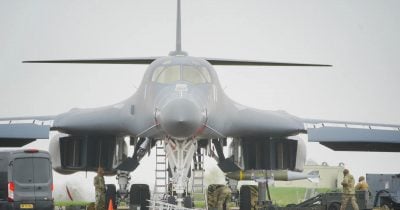
Gulf states have long been wary of being dragged into a conflict between Iran and the US-Israel axis. Several host major American military installations, including Al Udeid Air Base in Qatar, Al Dhafra Air Base in the UAE, and naval facilities in Bahrain. The IRGC's warning puts those governments on notice.
What the prediction market says
On a prediction market platform, users are currently betting that there is a 40.5% chance of military action against a Gulf state by July 30. The market works like a stock exchange: shares in a 'yes' outcome trade at 40.5 cents, implying a 40.5% probability. The number has fluctuated in recent weeks, rising after Iranian officials made bellicose statements and falling when diplomatic channels appeared active.
The July 30 date is a specific near-term horizon. It is not clear why that date was chosen by the market creators, but it gives a concrete timeframe for the bet. The 40.5% figure is high enough to attract attention but not so high as to suggest inevitability.
Prediction markets are not always accurate, but they aggregate the views of many participants who put real money on the line. They have been used to forecast everything from election outcomes to the likelihood of military strikes.
No official confirmation
Neither the IRGC nor any Gulf government has confirmed specific intelligence about an imminent attack. The warning may be part of Iran's psychological warfare, aimed at pressuring Gulf states to distance themselves from the US. Or it could reflect genuine military planning.
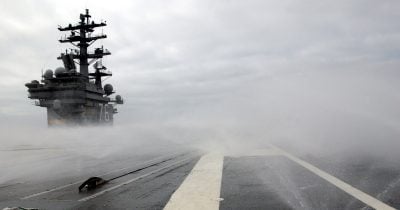
The region remains on edge. The US has maintained a significant naval presence in the Gulf, and Israel has conducted exercises simulating strikes on Iranian nuclear facilities. Iran, for its part, has demonstrated its ability to hit targets deep inside Saudi Arabia and the UAE with drones and missiles.
The next few weeks will be critical. Diplomats from several countries are working to de-escalate tensions, but the prediction market suggests that many bettors expect a strike before August. Whether that happens depends on decisions made in Tehran, Washington, and the Gulf capitals.