Iran's President Masoud Pezeshkian has indicated he is ready for diplomatic talks to end a conflict set to stretch into 2026. The statement could help stabilize regional tensions and reduce military risks, while also nudging global markets toward a more peaceful outlook.
A rare offer of dialogue
Pezeshkian's remarks mark a shift from Tehran's usual posture. He didn't name a specific adversary or set conditions for the talks. That leaves room for interpretation but also signals a potential opening for de-escalation after years of stalemate.
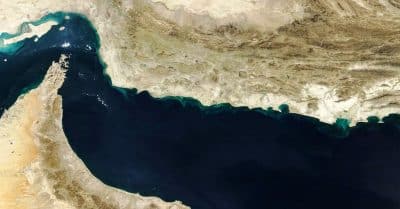
The conflict itself has been a source of instability across the region. It's drawn in neighboring countries and complicated global energy trade. By expressing readiness to negotiate, Pezeshkian may be trying to change the trajectory before 2026 arrives.
What stability could look like
If talks lead to a real reduction in military risks, the effects could ripple outward. Shipping lanes could see less disruption. Energy markets, which have priced in a risk premium, might ease. A calmer region would also remove a major drag on trade and investment.
That's not guaranteed. Diplomatic offers don't always lead to results. But even the signal alone can shift expectations. Investors often react quickly to any credible move toward peace.
Markets paying attention
Global markets have historically responded to changes in Iran's diplomatic stance. A credible path away from conflict tends to dampen safe-haven demand and boost risk appetite. Oil prices, for example, could dip if a deal seems possible. But the impact will depend on whether Pezeshkian's offer gets a serious response from other capitals.
The next step is unclear. No talks have been scheduled. No counterpart has stepped forward. The ball is now in the court of other parties involved in the conflict. Whether they engage or ignore the offer will determine if this is a real shift or just a rhetorical move.