Iran's Supreme Leader Ayatollah Ali Khamenei is set to be laid to rest in the city of Mashhad following processions through his hometown, a development that threatens to shake the country's fragile political order and ripple across the Middle East.
Burial in the holy city
The announcement that Khamenei will be buried in Mashhad — the country's second-largest city and a major pilgrimage site — came as authorities prepared for large-scale funeral marches. Mosques and state buildings in the city began draping black banners hours after the news broke. The choice of Mashhad, home to the shrine of Imam Reza, carries deep religious symbolism and aligns with the Supreme Leader's personal ties to the region.
Processions are expected to draw millions, raising security concerns. State media has urged mourners to follow designated routes. The burial itself will take place at a site not yet publicly specified, though officials indicated it would be near the shrine complex.
A leadership vacuum with no clear successor
Khamenei's death removes the single most powerful figure in Iran's clerical establishment — a man who held final say over everything from nuclear policy to domestic crackdowns. The constitution calls for the Assembly of Experts to pick a new Supreme Leader, but that body's internal dynamics remain opaque. No obvious heir has emerged, and the transition could trigger power struggles among hardliners, the Revolutionary Guards, and more pragmatic factions within the regime.
Analysts point to a period of uncertainty that may last weeks or months. The last time Iran faced a leadership transition at this level was in 1989, when Khamenei himself succeeded Ayatollah Ruhollah Khomeini. That shift was carefully managed; today's circumstances are far less predictable.
Regional fallout and global stakes
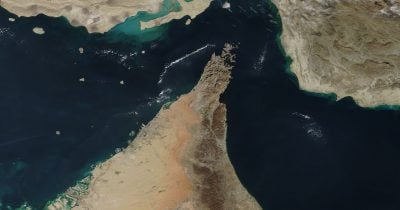
Iran's instability is never contained within its borders. The country's network of proxies in Lebanon, Iraq, Yemen and Syria — groups like Hezbollah and the Houthis — relies on direct guidance from Tehran. Without a clear chain of command, those relationships could fray. Meanwhile, oil markets and Gulf states are watching closely; any disruption to Iran's internal cohesion threatens to upend the delicate balance of power across the region.
International reaction has been muted so far. Several European embassies in Tehran issued security advisories to staff. The United States declined to comment publicly. The coming days will clarify whether the succession proceeds smoothly or whether the funeral itself becomes a flashpoint for unrest.