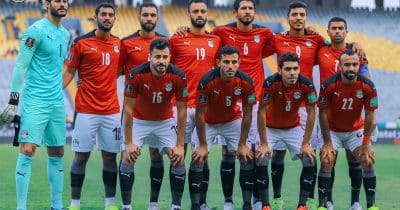
Kraken's sponsorship deal with FIFA for the World Cup gets its first real test this week when New Zealand takes on Egypt in a Group G match. The partnership, announced earlier this year, marks one of the biggest moves yet by a crypto exchange into global sports marketing. How the tie-up performs — both in terms of fan reception and regulatory optics — could shape whether digital assets find a permanent home in the world's most-watched sporting event.
The New Zealand-Egypt test
The match isn't a marquee fixture. New Zealand and Egypt aren't traditional powerhouses. But that's precisely the point. FIFA and Kraken chose a lower-stakes group-stage game to pilot the sponsorship before rolling it out across higher-profile knockout rounds. Branding will appear on digital boards around the pitch, and Kraken will run targeted ads during broadcast breaks. It's a low-pressure rollout — but also a high-visibility one. World Cup matches routinely draw tens of millions of viewers, even for lesser-known teams.
Kraken hasn't disclosed the financial terms of the deal, but sports sponsorship experts estimate a multi-year World Cup package runs into the tens of millions of dollars. The exchange is betting that the association with football's premier tournament will lend legitimacy to a sector still trying to shake off its casino image.
Why the World Cup matters for crypto
Sports marketing has been a mixed bag for crypto. Several high-profile deals from the last bull run ended badly — exchanges collapsed, regulators stepped in, and fans were left holding the bag. The World Cup offers a cleaner slate. FIFA's brand is tightly controlled, and the organization vets sponsors thoroughly. For Kraken, being on that list signals that it has passed muster with one of the world's most conservative sports bodies.
There's also the audience. The World Cup reaches demographics that typical crypto ads don't: casual sports fans in developing markets, older viewers, and families. If Kraken can convert even a fraction of those eyeballs into users, the sponsorship could pay for itself many times over.
Challenges ahead
But the success of the deal isn't guaranteed. Past crypto sponsorships in sports have stumbled on the same problem: trust. When a crypto exchange sponsors a team and then freezes withdrawals or gets hacked, the backlash hits both the exchange and the sport. Kraken has a relatively clean record compared to some rivals, but it's not immune to market volatility or regulatory heat. FIFA will be watching closely. If the New Zealand-Egypt match generates negative headlines — say, a technical glitch during a branded segment or a social media backlash — the rollout could stall.
Kraken also faces the challenge of standing out. The World Cup is already saturated with sponsors from banking, beer, and fast food. Crypto branding needs to feel native, not intrusive. The exchange has said it plans to integrate fan engagement features, like token-based voting for man-of-the-match, but those details haven't been finalized.
For now, all eyes are on the pitch in Group G. If the sponsorship goes smoothly, expect Kraken to expand its presence deeper into the tournament. If it doesn't, the experiment could end before the knockout stage even begins.