The escalating conflict in the Middle East is putting fresh strain on global energy markets, pushing crude oil prices into a volatile cycle and raising fears of supply disruptions. With major producers and key shipping routes caught in the crossfire, the fallout is already being felt from trading floors in New York to fuel depots in developing nations.
Supply risks and price spikes
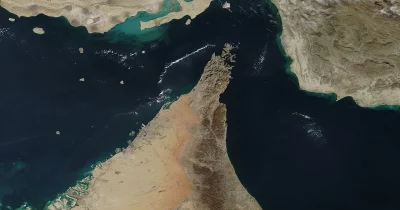
Oil benchmarks have swung sharply in recent weeks as traders weigh the threat of actual production cuts against diplomatic efforts to contain the violence. The region accounts for roughly a third of the world's crude output, and any sustained disruption — whether from direct attacks on infrastructure or from blockades along the Strait of Hormuz — could tighten supply quickly.
So far, no major producer has announced forced shutdowns, but insurance premiums for tankers passing through the Gulf have jumped. Several shipping firms have already rerouted vessels, adding days to transit times and pushing freight costs higher. The market is pricing in a risk premium that analysts expect to persist until the geopolitical picture clears.
For importing nations, the price swings translate directly into higher fuel bills. Gasoline and diesel costs have ticked up at the pump in Europe and Asia, and governments are bracing for possible intervention — releasing strategic reserves or capping retail prices — if the volatility deepens.
Developing economies face the brunt
The most acute danger, though, is for poorer countries already struggling with debt and weak currencies. Unlike wealthy nations that can absorb temporary price shocks, many developing economies rely on subsidized fuel imports and have little fiscal room to maneuver.
A sustained rise in crude prices would widen their trade deficits, push up inflation, and force central banks to choose between raising interest rates — stifling growth — or letting currencies slide. The IMF has flagged the risk that energy-market volatility from the conflict could tip several fragile states into recession.
Countries in sub-Saharan Africa and South Asia are especially exposed. For them, every dollar increase per barrel adds millions to import bills. Some have already started negotiating deferred payment terms with suppliers. Others are quietly rationing fuel for non-essential sectors.
The conflict also threatens longer-term energy investments. Several planned renewable energy projects backed by Gulf sovereign funds have been put on hold as attention shifts to security. That delays the diversification that could eventually shield poorer nations from oil shocks.
One unresolved question is how long these countries can manage without an international safety net. The World Bank and regional development banks have begun emergency assessments, but no large-scale relief package has been announced. Meanwhile, the fighting shows no sign of abating, and the next missile strike could hit a refinery or pipeline, triggering a new wave of price hikes.