A missile attack hit a Kuwaiti military base this week, pushing US-Iran relations closer to the brink as diplomatic channels remain frozen. No group immediately claimed responsibility, but the strike lands amid a months-long standoff between Washington and Tehran that has seen no substantive negotiations since early summer.
What happened at the Kuwaiti base
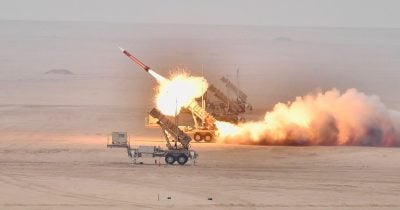
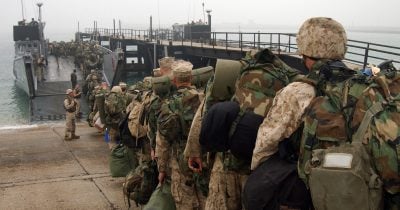
At least one projectile struck the facility, causing damage but no reported casualties, according to initial assessments from Kuwaiti authorities. The base hosts US personnel and equipment, though it was not immediately clear whether American forces were the intended target. Investigators on the ground are analyzing debris and trajectory data to determine the missile's origin.
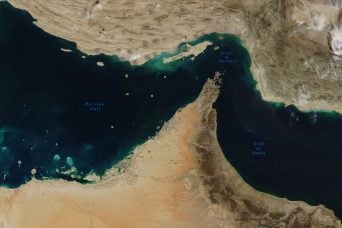
The attack marks the first direct military action on Kuwaiti soil in the current cycle of US-Iran tensions. Previous escalations have played out in the Persian Gulf, the Strait of Hormuz, or through proxy forces in Iraq and Syria.
Stalled diplomatic efforts
Behind the scenes, US and Iranian diplomats have not met face-to-face in months. The last round of indirect talks, mediated by Gulf states, collapsed over disagreements on uranium enrichment levels and the lifting of economic sanctions. Neither side has signaled willingness to return to the table under the current terms.
“We are still waiting for a serious proposal from Tehran,” a State Department official said on background. The Iranian Foreign Ministry has blamed Washington for the deadlock, calling recent US demands “unrealistic.” No formal statement from Iran was issued after the Kuwait strike.
Regional fallout
Kuwait’s government condemned the attack and called for restraint. The emirate has historically tried to stay neutral in the US-Iran rivalry, hosting American troops while maintaining ties with Tehran. This incident could force Kuwait to pick a side or tighten security at its bases.
Neighboring Saudi Arabia and the United Arab Emirates have increased naval patrols and air defense readiness in recent weeks, bracing for potential spillover. The missile strike may accelerate those measures and prompt other Gulf states to review their own base security.
What comes next
US Central Command has not announced any change in troop posture, but military planners are expected to present response options to the Pentagon within days. Those could range from a diplomatic démarche to a limited strike on the origin point of the missile.
For now, the question hanging over the Gulf is whether this attack is a one-off warning or the first step in a more dangerous cycle—one that diplomacy, for the moment, seems powerless to stop.