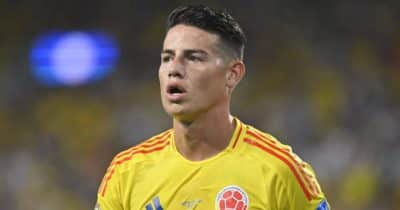
Luka Modric's departure from the pitch during Croatia's World Cup match against England wasn't just a tactical change. It marked a turning point for a national team that has relied on the midfielder's leadership for over a decade.
The moment of the substitution
Modric was substituted during the match, a rare sight for the captain who usually plays the full 90 minutes. The decision signaled more than just a coach's call — it pointed to a broader transition within the squad. Croatia's midfield, long built around Modric's vision and composure, will look different in the years ahead.
A generational shift
The substitution is a clear sign of a generational shift in Croatian football. Modric, now in his late 30s, has been the team's anchor since his breakout at the 2006 World Cup. His removal from the game against England suggests that the team is preparing for life without him. Younger players are being asked to step up, and the balance of the squad is changing.
Impact on team dynamics and leadership
Modric's absence on the field could reshape Croatia's approach. He's been the on-field general, directing play and setting the tempo. Without him, the team will need to find a new leader — someone to organize the midfield and inspire the side during critical moments. The substitution raised questions about who will take on that role in future tournaments. Names like Mateo Kovacic and Marcelo Brozovic are natural candidates, but neither has the same gravitas. The shift could also affect Croatia's style, moving from a possession-based game to something more direct.
The team's future performance hinges on how quickly the next generation adapts. The World Cup match against England showed that Croatia can compete, but the long-term outlook depends on replacing Modric's influence both on and off the ball.
The substitution leaves an unresolved question: who will step up as Croatia's leader when Modric eventually steps away for good? The answer will shape the team's prospects in the next World Cup cycle.