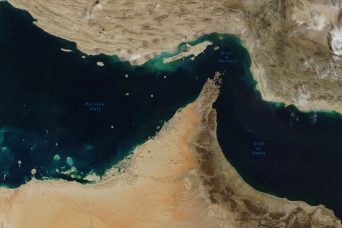
Israeli Prime Minister Benjamin Netanyahu said the conflict with Iran is still underway and that any resolution requires the removal of enriched uranium from the country. The statement, made during a security briefing, underscores the hardening of Israel's position as tensions with Tehran continue.
Why the uranium demand matters
Netanyahu's insistence on eliminating enriched uranium goes beyond previous Israeli calls for stricter monitoring. It effectively sets a precondition for any ceasefire or diplomatic talks. Enriched uranium is the key material for a nuclear weapon, and Israel has long viewed Iran's nuclear program as an existential threat. By demanding removal—not just limits—Netanyahu is raising the bar for de-escalation.
How it hurts peace prospects
Diplomatic efforts to end the conflict have stalled in recent months. Netanyahu's stance could make it even harder to restart negotiations. Iran has repeatedly said it will not give up its nuclear enrichment rights under international treaties. The gap between the two positions leaves little room for compromise. Analysts inside the region say the risk of a broader military escalation is growing, not shrinking.
Global fallout
The conflict's ripple effects are already being felt in oil markets and among regional allies. The United States and European powers have pushed for a diplomatic solution, but Netanyahu's latest remarks signal that Israel is unwilling to accept anything short of full dismantlement. That could strain relationships with countries that favor a negotiated deal. It also raises the stakes for security dynamics across the Middle East, where proxy forces backed by Iran are active in several conflicts.
What comes next is unclear. No new talks have been scheduled, and Netanyahu's government shows no sign of softening its position. The international community now faces a choice: press Israel to moderate its demands or risk a longer, more destructive confrontation.