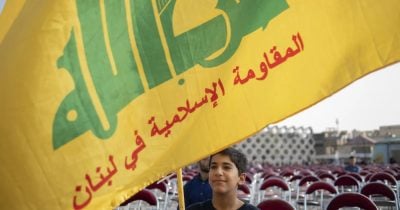
Israeli Prime Minister Benjamin Netanyahu was admitted to a hospital this week, a visit that comes as the country prepares to strike Hezbollah targets. The timing of the hospitalization and the planned military action has drawn attention across the region.
Hospital stay and military plans
Netanyahu's hospital visit was announced Tuesday. Officials did not immediately disclose the reason for the admission. At the same time, Israeli military planners are finalizing strikes against Hezbollah positions in Lebanon. The convergence of the two events has added to an already tense atmosphere.
Escalation across the border
Israel has ramped up its military posture in recent weeks. The planned strikes on Hezbollah targets mark a significant increase in operations along the northern border. Israeli forces have carried out limited raids and airstrikes before, but the scale of the coming action suggests a broader operation. Hezbollah, for its part, has not publicly responded to the reports of imminent strikes.
The military escalation raises the risk of a wider conflict. Both sides have traded fire sporadically since the October 7 attacks, but a full-scale campaign against Hezbollah would be the largest direct confrontation in years. Analysts tracking the region say the situation is volatile.
Diplomatic efforts under pressure
The stepped-up military activity complicates ongoing diplomatic efforts. International mediators have been trying to broker a ceasefire between Israel and Hamas in Gaza, as well as a broader de-escalation involving Hezbollah. Those talks now face an uphill battle.
Washington and European capitals have urged restraint. But with Netanyahu in the hospital and the military pushing ahead, the window for a negotiated pause appears to be closing. A senior Western diplomat said the strike plans undermine months of behind-the-scenes work.
Prospects for a lasting peace dim
The escalation reduces the chances of reaching a lasting peace agreement in the region. The Israeli government has long argued that military pressure is necessary to weaken Hezbollah and its backers. Critics counter that such operations only deepen cycles of violence.
No formal peace talks have been announced. The current fighting has left hundreds dead and thousands displaced on both sides of the border. Without a ceasefire, rebuilding trust will be nearly impossible.
What happens next depends largely on Netanyahu's recovery and the military's next moves. If the strikes proceed as planned, the region could see a new phase of conflict that no one is prepared to stop.