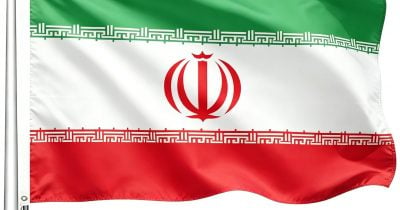
Pakistan’s government is growing increasingly concerned that the country could be pulled into the widening conflict between the United States and Iran, following a series of Houthi attacks that have inflamed regional tensions. Officials worry that any involvement would shatter Pakistan’s long-standing neutrality and destabilize an already fragile economy.
The threat to neutrality
For decades, Pakistan has walked a careful diplomatic line between Washington and Tehran. That balancing act now faces its sternest test. The Houthi strikes — which the US and its allies have blamed on Iran-backed forces — have pushed the region closer to open confrontation. Pakistan’s leadership fears that a direct US-Iran escalation could force Islamabad to choose a side, abandoning the neutrality that has allowed it to maintain ties with both capitals.
Any decision to align with one camp would carry immediate consequences. A tilt toward the US could anger Iran and its proxies, while siding with Tehran would risk losing American aid and investment. The government has not yet clarified its position, but behind closed doors, the debate is growing more urgent.
Economic stability on the line
Pakistan’s economy is in no shape for a regional crisis. Inflation remains high, foreign reserves are thin, and the country is still negotiating for an International Monetary Fund bailout. Being drawn into the conflict would threaten trade routes, energy imports, and remittances from the Gulf — all critical to keeping the economy afloat.
The Houthi attacks have already spooked global oil markets, and any disruption to shipping in the Persian Gulf would hit Pakistan hard. A prolonged crisis could also scare off investors and deepen the country’s balance-of-payments problems. For a nation already struggling to service its debt, the added strain could be severe.
A wider regional domino effect
Pakistan’s involvement would not stop at its borders. The conflict could spill over into a broader regional escalation, drawing in other countries and militant groups. Neighbors like India and Afghanistan would watch closely, and any miscalculation could trigger a chain reaction across South Asia and the Middle East.
Analysts caution that the Houthi attacks have already raised the temperature between Iran and the US. If Pakistan is forced to take sides, the entire region could become more volatile. The government’s diplomatic corps is expected to intensify efforts to de-escalate the situation in the coming weeks, but the path forward remains uncertain.