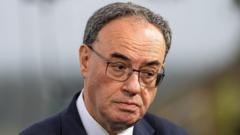
Peru's electoral jury has opened an investigation into the country's foreign minister for an alleged breach of electoral neutrality, the body said. The probe centers on whether the minister's actions compromised the neutrality required of public officials during electoral processes.
The investigation adds a layer of scrutiny to the foreign minister's conduct at a time when public confidence in electoral institutions is closely watched.
The neutrality rule at the center of the case
Electoral neutrality is a legal obligation for public officials in Peru. It prohibits them from using their position to influence the outcome of an election or to show favoritism toward any candidate or party. The electoral jury is tasked with enforcing that rule and has the authority to investigate alleged violations.
The specific actions that triggered the investigation have not been detailed in the facts available. What is clear is that the jury has decided the allegation warrants a formal inquiry.
Why the foreign minister is under scrutiny
The foreign minister is a high-profile member of the executive branch, and any investigation into their conduct carries weight. The electoral jury's decision to proceed suggests it sees enough substance in the complaint to examine the matter further.
The minister has not been quoted in the facts, and no response to the investigation has been provided. The jury has not announced a timeline for its review or indicated what penalties, if any, could follow.
What the investigation means for public trust
Peru has seen its share of political turbulence in recent years, and the credibility of its electoral institutions has been a recurring point of contention. An investigation into a sitting foreign minister over neutrality rules touches directly on whether those rules are applied evenly, regardless of rank.
The outcome could shape public perceptions of the electoral jury's independence. If the investigation concludes without a finding, critics may question the jury's willingness to hold powerful officials accountable. If it results in sanctions, supporters may see it as proof that neutrality rules have teeth.
Neither scenario is guaranteed, and the facts do not point to a likely conclusion. What matters for now is that the process is underway and will be watched closely.
The next steps in the inquiry
The electoral jury is expected to gather evidence and hear from those involved. It has not said when it will issue a decision or whether the foreign minister will be asked to testify.
For the foreign minister, the investigation is a distraction from diplomatic duties and a potential political liability. For the electoral jury, it is a test of whether its neutrality enforcement extends to the highest levels of government.
The case is ongoing, and no findings have been released. The jury's next move — whether to expand the probe, drop it, or refer it for sanctions — will be the first real signal of where this is heading.