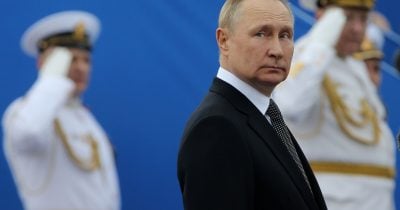
Russian President Vladimir Putin and Belarusian leader Alexander Lukashenko jointly oversaw a round of nuclear drills on a videolink Thursday, a show of force that comes as tensions between Moscow and NATO hit fresh highs. The two men watched from a distance as their militaries practiced deployment and simulated launches, a sign of how closely Belarus has tied its nuclear posture to Russia's.
The drills and the distance
The exercise involved strategic nuclear forces from both countries, though the Kremlin did not release details on the scale or the exact units taking part. Putin and Lukashenko did not appear in person at the training ground; instead they monitored the drills through a secure video feed, according to official statements. The remote oversight itself is a departure from past joint exercises, where leaders often observed from a command post or on-site.
Belarus has hosted Russian tactical nuclear weapons since last year, and Minsk has allowed its territory to be used for launching points. Thursday’s drills appeared to be the next step in integrating the two countries’ nuclear command structures. Neither side said whether the exercise included live warheads or was purely a command-and-control simulation.
NATO's reaction and the broader context
The drills come as NATO countries are increasing patrols in the Baltic Sea and reinforcing their eastern flank. Alliance officials have repeatedly warned that the deployment of Russian nuclear weapons in Belarus changes the security calculus for Europe. In response to the exercise, a NATO spokesperson said the alliance remains vigilant and will continue to monitor Russia's strategic forces, but offered no concrete new measures.
Moscow has framed the joint drills as a purely defensive move. Kremlin spokespeople have said the exercises are meant to ensure the reliability of the nuclear deterrent and are not aimed at any specific adversary. But the timing — weeks after NATO conducted its own nuclear readiness exercise, Steadfast Noon — has drawn criticism from Western capitals.
What the videolink says about command and control
Putin and Lukashenko watching from a screen rather than a bunker is a small but notable detail. It suggests the two leaders are comfortable delegating tactical decisions to field commanders while keeping a political eye on the proceedings. It also means they can project control without being physically exposed — a message likely meant for domestic audiences as much as for NATO planners.
For Lukashenko, the videolink is a public reaffirmation that his country is now a full partner in Russia's nuclear umbrella. For Putin, it's a reminder that he can orchestrate a major military operation from anywhere, a capability he has tested before during the war in Ukraine.
What happens next is unclear. Neither Moscow nor Minsk has announced a follow-up exercise, and the Kremlin did not say whether these drills will become a regular fixture. Western intelligence agencies are watching for signs that the joint command structure is being used to store nuclear warheads permanently inside Belarus — a step that would cross a red line NATO has only vaguely defined.