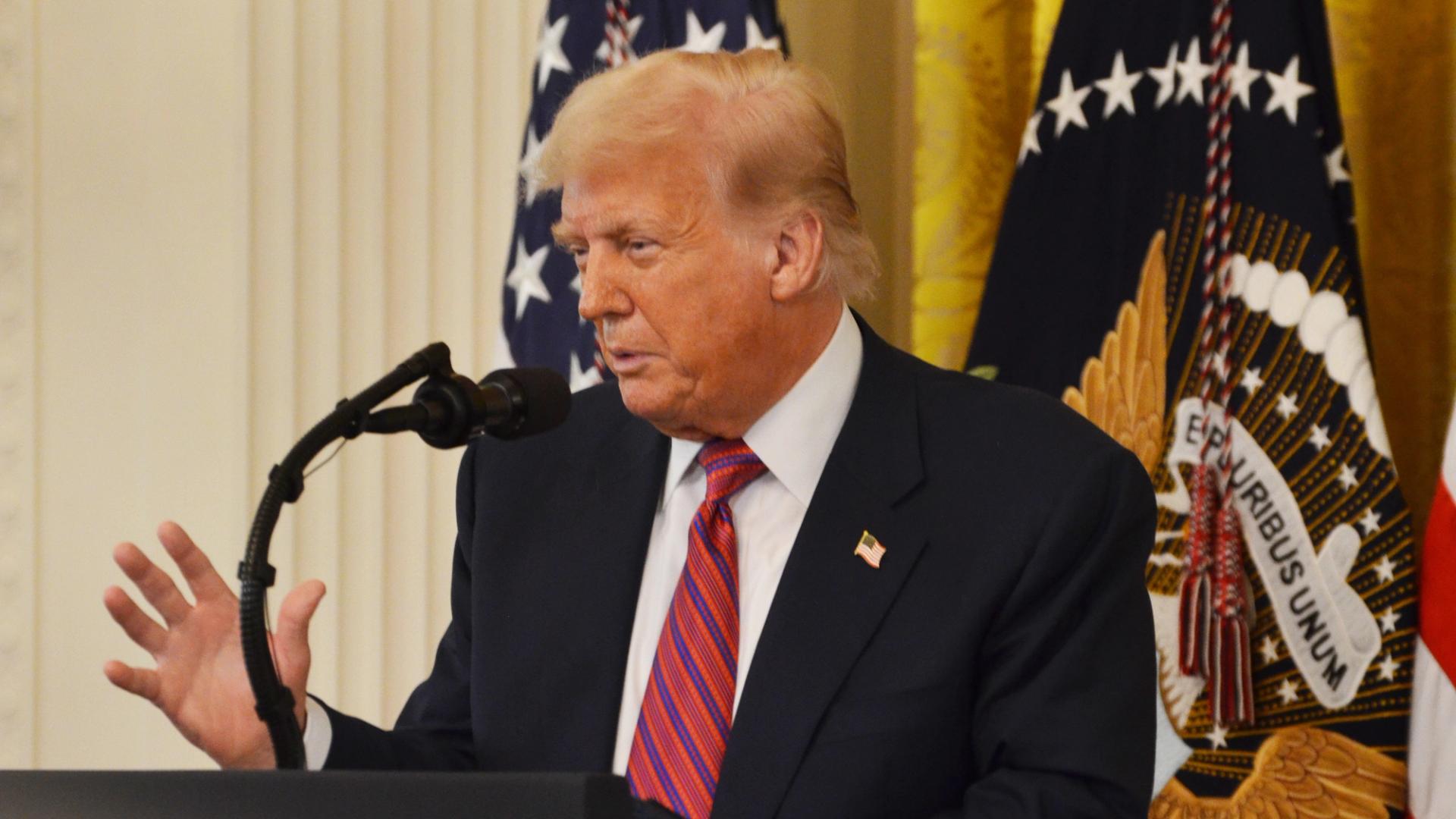
Russian President Vladimir Putin has rebuffed European leaders who pushed for new talks on Ukraine, choosing instead to pursue a direct deal with former U.S. President Donald Trump. The move effectively sidelines Europe from the negotiating table and could redraw the diplomatic map of the conflict.
Why Europe Got Shut Out
Multiple European heads of state and foreign ministers had been pressing for a renewed diplomatic push to end the war. But the Kremlin made clear this week that it sees no point in engaging with the European Union or its member governments. Putin’s calculation appears driven by a belief that the U.S. — and specifically Trump — holds the keys to any settlement that Moscow would accept. Without a bilateral channel to Washington, European offers to mediate or host talks were brushed aside. The decision leaves France, Germany, and other key EU countries on the sidelines, their proposals ignored.
A Direct Line to Trump
Instead of European-brokered negotiations, Putin is now seeking a pact with Trump that would settle key terms of Ukraine’s neutrality, territorial status, and the lifting of sanctions. According to officials familiar with the matter, the Kremlin has been sounding out informal backchannels to Trump’s associates, testing the feasibility of a framework that would bypass NATO and EU institutions entirely. Trump has not publicly commented on the outreach, but his previous statements critical of NATO and his expressed desire to end the war quickly make him a willing interlocutor in Moscow’s view. A direct Putin-Trump deal would strip European influence from the conflict’s final stages.
Reshaping Global Diplomacy
If such a deal materializes, it would mark a profound shift in how major powers handle the Ukraine crisis. For years, Europe has been the main diplomatic engine behind sanctions and peace efforts. Putin’s move threatens to collapse that architecture. Analysts warn that sidelining Europe could fracture the transatlantic alliance and reduce future leverage over Russia. The Kremlin is betting that Trump would accept terms more favorable to Moscow than any European-backed proposal. That gamble introduces fresh instability into an already volatile region. Other global powers are watching closely: China, India, and Turkey all have stakes in the outcome, but none have been invited into the talks so far.
Markets and Stability Under Pressure
The geopolitical ripples are already reaching financial markets. Investors worry that a Putin-Trump deal might end sanctions prematurely, roiling energy and agricultural markets that have adjusted to the war economy. Conversely, a breakdown in talks — or a deal that Ukraine rejects — could trigger a new round of escalation. European bond yields and the euro have both wobbled this week as news of the diplomatic shift spread. No one knows what a potential deal would look like, but the uncertainty alone is weighing on sentiment. The Kremlin has not set a timeline for formal talks with the U.S., and European governments are scrambling to find a way back into the conversation. The coming weeks will test whether the administration in Washington eventually engages Moscow directly — and whether Europe can regain its seat at the table.