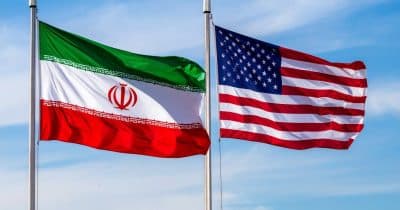
CIA Director John Ratcliffe has publicly questioned whether Iran is complying with its nuclear obligations, casting a shadow over the prospect of a new U.S.-Iran agreement. The nation's top intelligence official expressed his reservations ahead of what could be a diplomatic push to revive talks. His doubts, though not backed by specific claims, carry weight given his role overseeing the intelligence community's assessments of Iran's nuclear activities.
Doubts from the top
Ratcliffe did not detail what aspects of Iran's compliance he finds lacking. He spoke broadly about skepticism regarding Iran's commitment to existing nuclear agreements. The timing is notable: the U.S. and Iran have shown signs of exploring a renewed diplomatic channel, though no formal negotiations have been set. Ratcliffe's public expression of doubt suggests the intelligence community has not seen sufficient evidence of Iranian good faith. Such statements from a CIA director are rare and typically reserved for closed briefings. Bringing them into the open could signal deep internal concern.
Why compliance matters now
Any new agreement between Washington and Tehran will hinge on verification. The U.S. would need to ensure that Iran is not secretly enriching uranium or developing weapons capacity. Past accords have relied on intrusive inspections and real-time monitoring. Ratcliffe's doubts imply that the CIA believes Iran may not be fully transparent about its activities. That could make it harder to negotiate terms both sides can accept. Iran has repeatedly insisted its nuclear program is peaceful and that it abides by international rules. But U.S. intelligence assessments have often painted a different picture.
Political implications
Ratcliffe's remarks come at a delicate moment. Domestically, any deal with Iran faces skepticism from both Republicans and some Democrats. A CIA director's skepticism gives ammunition to critics who argue that Iran cannot be trusted. It also puts the U.S. government in a bind: moving forward with talks despite intelligence doubts could be seen as ignoring warnings. Backing away, however, could close the door on a diplomatic solution. For now, the administration has not responded publicly. The question is whether Ratcliffe's doubts will shape the negotiating stance or if they will be set aside in favor of pursuing an agreement.
What lies ahead
The potential U.S.-Iran agreement is still in its early stages. No timelines have been announced. Ratcliffe's statement adds a layer of complexity to what was already a fraught process. In the coming weeks, the administration will have to decide whether to engage directly with Iran or maintain pressure. Ratcliffe's skepticism ensures that compliance will be a central issue in any future talks.