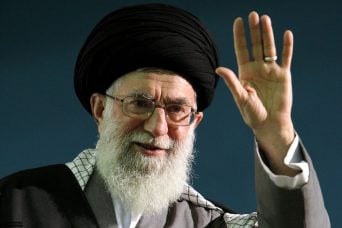
Russia has moved to bolster its security posture following reports that Iran's Supreme Leader Ayatollah Ali Khamenei has died, a development that surfaces amid rising tensions between the United States and Israel. The reports, which have not been independently confirmed, have triggered an immediate response from Moscow as officials assess the potential fallout in an already volatile region.
Why Russia is on alert
The Kremlin's decision to increase security measures reflects broader concerns about regional stability. According to statements from Russian authorities, the move is a direct response to the unverified news of Khamenei's death as well as the ongoing friction between Washington and Tel Aviv. Russia has long maintained close ties with Iran, supplying military equipment and cooperating on issues such as the Syrian conflict. The sudden loss of Iran's top leader would create a power vacuum that could alter the balance of power in the Middle East, something Moscow is keen to monitor closely.
Security officials have been instructed to step up surveillance at key infrastructure points and along borders, though specific details have not been released. The heightened alert level is considered precautionary but underscores how seriously the Kremlin views the situation.
The geopolitical context
The reported death comes at a time when US-Israel tensions are already high. Disagreements over Iran's nuclear program and settlement policies in the West Bank have strained the traditional alliance. Any instability in Iran would likely complicate these dynamics further, potentially drawing in other regional actors. Russian analysts have pointed out that a leadership crisis in Tehran could embolden adversaries or prompt new diplomatic maneuvering among world powers.
For now, no official confirmation of Khamenei's status has come from Iranian state media or government channels. The lack of clarity has left observers guessing, and the Kremlin is reportedly in contact with its counterparts in Tehran to get reliable information. Until then, Russia's security apparatus will remain on edge, watching for any ripple effects that could reach its own borders.
The next 48 to 72 hours are expected to be critical. If the reports prove true, Russia may need to recalibrate its foreign policy stance and coordinate with other powers. If false, the episode still highlights the fragility of trust in a region where a single rumor can prompt a security clampdown.