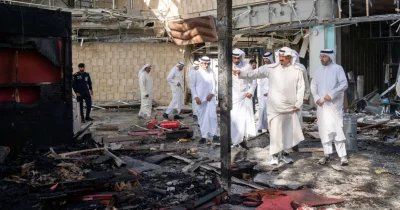
Al Jazeera published satellite images on Monday showing destruction at 15 military sites before and after the ongoing US-Israel war on Iran. The images confirm damage to Iranian naval ports and US military bases across the Gulf region, injecting immediate geopolitical risk into already jittery crypto markets.
What the images reveal
The satellite photos, released by Al Jazeera, compare pre-attack and post-attack views of 15 distinct sites. Among the targets: Iranian naval facilities in Bandar Abbas and US bases in Bahrain and the UAE. The scale of destruction is visible, though the specific munitions used remain unconfirmed.
📊 Market Data Snapshot
Crypto markets react to the news
Bitcoin traded at $63,254 at press time, up 1.65% over the past 24 hours but down 13.38% over the week. The Fear & Greed Index sits at 8 — Extreme Fear — suggesting the market has already priced in significant downside. Historically, such low readings have preceded relief rallies, as seen in June 2023 when the index hit 6 and Bitcoin climbed 30% over the following months. Bitcoin's modest 24-hour gain indicates some resilience, hinting that the extreme fear may be overdone.
The oil connection and broader macro impact
Destruction at Iranian naval ports threatens shipping lanes through the Strait of Hormuz, a critical chokepoint for global oil. A sustained oil price spike above 10% could reignite inflation fears, delaying expected Federal Reserve rate cuts and further pressuring risk assets like crypto. Oil price shocks typically take 2-3 days to filter through to risk assets, meaning the full impact on crypto may not be felt until later this week.
A limited escalation or the beginning?
GFdaily's analysis of the satellite evidence suggests the strikes were surgical, hitting defined military assets rather than strategic infrastructure. This targeted approach reduces the probability of a full-scale regional war, a scenario that would crush risk assets. Historical parallels offer some guide. When Russia invaded Ukraine in February 2022, Bitcoin initially dropped 10% but recovered within two weeks as safe-haven narratives emerged. The current situation shares similarities, though the potential for oil disruption adds a complicating factor. For traders, this means the downside may be limited to a 3-5% shakeout rather than a full crash. For longer-term investors, the current extreme fear level may represent a buying opportunity ahead of a relief rally.
The next clear test comes when oil futures open on Sunday evening. Any sign of Iranian retaliation or diplomatic overtures will set the tone for Monday's trading. For now, Bitcoin must hold above $61,500 to avoid a slide toward $58,000 — a level that would test the extreme fear narrative.