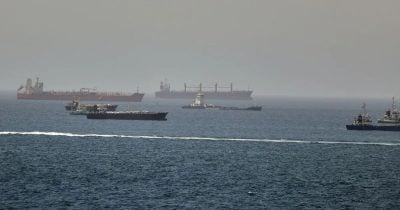
A blockade of the Strait of Hormuz—one of the world's most critical oil chokepoints—remains in place as ongoing naval skirmishes between the United States and Iran show no signs of easing. The situation, which has shut down normal shipping through the narrow waterway for days, is compounding global supply chain disruptions that were already stretched thin. Oil markets are feeling the pressure, and geopolitical tensions across the region are climbing.
Blockade triggered by naval confrontations
The latest round of clashes erupted after Iranian patrol boats reportedly harassed a US Navy destroyer transiting the strait. US forces responded with warning shots, and both sides have since traded accusations of aggressive maneuvers. None of the engagements have resulted in reported casualties, but the repeated incidents have effectively paralyzed commercial traffic. Shipping companies are avoiding the route altogether, and insurance premiums for vessels that do attempt passage have spiked.
The Strait of Hormuz connects the Persian Gulf to the Gulf of Oman and the open ocean. Roughly a fifth of the world's oil passes through its narrow waters every day. That makes the blockade a direct threat to global energy supplies.
Global shipping disruptions deepen
The blockade isn't happening in a vacuum. Ports around the world are already clogged, container shortages are acute, and freight rates have been volatile for months. The closure of the Strait adds a new layer of chaos. Tankers that would normally deliver crude from Saudi Arabia, Iraq, Kuwait, and the United Arab Emirates are now stranded or rerouting around Africa—a detour that adds weeks to voyages and burns through extra fuel.
Supply chain managers who were already scrambling to clear backlogs now have to account for a new bottleneck that could delay deliveries of everything from fuel to plastics. The longer the blockade lasts, the deeper the ripple effects will be felt in industries that depend on just-in-time inventory.
Oil markets on edge
Oil prices have already reacted. Benchmark Brent crude jumped more than 5% in the past week, touching levels not seen in months. Traders are pricing in the risk that the blockade could persist for weeks, or escalate into a broader conflict. The US has not publicly announced a timeline for restoring safe passage, and Iran has made no commitment to de-escalate.
Stockpiles in major consuming nations—including the United States, China, and Japan—are being drawn down faster as buyers scramble to secure supply. The US administration has said it is prepared to release strategic petroleum reserves if necessary, but that move would offer only temporary relief.
Geopolitical tensions ratchet up
The standoff at sea reflects a wider deterioration in US-Iran relations. The two countries have been locked in a shadow conflict for years, but recent skirmishes in the Strait represent a dangerous shift toward direct confrontation. Regional allies are watching nervously. Saudi Arabia and the UAE have called for restraint, while Iran's neighbors worry that any miscalculation could trigger a broader war.
No diplomatic breakthrough appears imminent. The US has demanded that Iran halt what it calls provocations. Iran insists it has the right to control its territorial waters and accuses the US of escalating. With both sides dug in, the blockade has no clear end date.
The next few days will be critical. If the skirmishes continue, the disruptions to shipping and oil markets will only intensify. For now, the world waits to see whether diplomacy or more gunfire comes next.