The latest escalation between Iran and the United States is squeezing one of the world's busiest oil shipping lanes. Vessels moving through the Strait of Hormuz are facing delays and rerouting, and the ripple effects are showing up in energy markets that were already jittery.
Why the strait matters
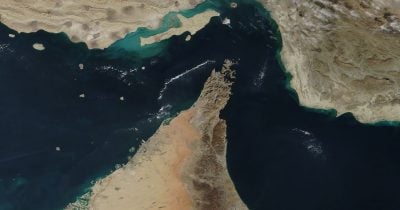
The strait sits between the Persian Gulf and the Gulf of Oman, and roughly a fifth of global oil consumption passes through it every day. When that passage is disrupted, the cost of crude tends to move, and this time is no different. The escalation between the two countries has made ship operators more cautious, with some choosing to wait out the situation rather than risk a voyage through contested waters.
Shipping companies have started to adjust their schedules, and the slowdown is already noticeable in the number of vessels moving through the channel. The disruption isn't a full shutdown, but the uncertainty is doing its own damage.
Energy markets weigh the risk
Energy traders are watching the strait closely. Because the route is so central to global supply, any sign of trouble there quickly translates into higher prices for crude and natural gas. The current situation has already pushed some benchmark prices upward, though the moves have been measured so far. The bigger fear is that a prolonged closure would cut off major producers like Saudi Arabia, Iraq, and the United Arab Emirates from their customers in Asia and beyond.
That fear is not just theoretical. The last time the strait was seriously threatened, prices climbed sharply, and the market took months to calm down. While that history isn't repeating itself right now, traders are watching for any signal that the situation might worsen.
Diplomatic progress stalls
The escalation is also complicating efforts to restart diplomacy between Washington and Tehran. Both sides had been hinting at possible talks, but the new tension has made those efforts harder to sustain. For the moment, no formal negotiations are on the table, and the diplomatic channel appears to be at a standstill.
That matters because the conflict isn't just about shipping. It's also about nuclear enrichment, sanctions, and regional military presence. Every new confrontation makes it easier for either side to dig in and harder for mediators to find common ground. The diplomatic impasse adds another layer of uncertainty to an already fragile situation.
What the market is saying
Investors have been cautious since the escalation began. Confidence that a resolution will come quickly has faded, and that is showing up in how money moves. Assets seen as safe havens have gotten some support, while riskier holdings have been under pressure. The mood is not panicky, but it is clearly nervous.
The shipping disruption itself is the main trigger. Even if the strait stays open, the mere threat of closure is enough to keep traders on edge. The longer the tension drags on, the more likely it is that companies start building in extra costs for insurance and rerouting.
No timetable for talks
The immediate priority for shipping companies is to keep cargo moving, which means finding alternative routes and waiting out the delays. But the larger question has no answer yet: whether Washington and Tehran can return to the negotiating table before the situation spirals further. No date has been set for any diplomatic meeting, and the window for a quick fix seems to be closing.