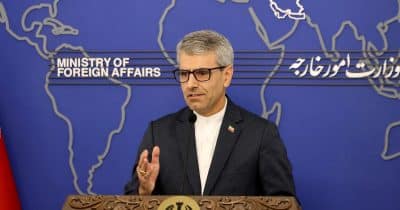
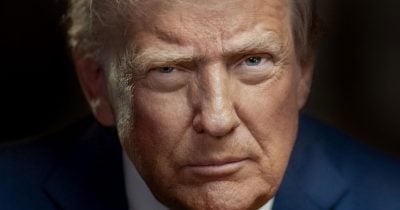
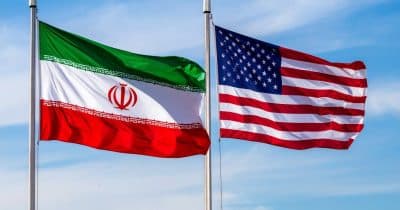
Donald Trump landed in France for the G7 summit on the same day his administration announced a peace deal with Iran. The agreement, struck after months of indirect talks, could bring a measure of stability to global markets that have been on edge over tensions in the Middle East.
The Deal and the Summit
The timing of the announcement is no accident. Trump is set to meet with leaders from the world’s largest economies, and the Iran deal is expected to dominate discussions. The White House framed the breakthrough as a win for diplomacy, pointing to a potential easing of oil price volatility and a reduction in regional conflict risk — two issues that have weighed on investor sentiment worldwide.
Whether the deal will hold beyond the summit is another question. The text of the agreement has not been released in full, and details on verification measures, sanctions relief, and timelines remain unclear. What is known is that both sides agreed to a framework for de-escalation, but implementation will be left to working groups.
Market Impact Already Priced In?
Oil futures dipped slightly on the news, while equities in Asia and Europe saw modest gains. Analysts — who asked not to be named because they were not authorized to speak publicly — said the market reaction was muted, suggesting traders want to see concrete steps before fully pricing in the deal. The fact that Trump arrived in France with no major Iranian sanctions lifted yet added to the caution.
Still, the potential for a lasting pact is real. If the agreement holds, it could remove a key source of uncertainty for global supply chains and energy costs. That would be a welcome relief for central bankers and finance ministers who have been wrestling with inflation and slowing growth.
Unresolved Questions and Regional Dynamics
But the road ahead is bumpy. Iran’s regional proxies, including groups in Yemen, Syria, and Lebanon, were not party to the talks. Their actions could undermine any deal, as could opposition from hardliners in both Tehran and Washington. The peace deal’s long-term viability depends on whether it can survive these forces.
Israeli officials, who have long warned against any agreement that leaves Iran with nuclear breakout capability, expressed skepticism. Prime Minister Benjamin Netanyahu said his country would “not be bound” by the deal and reserved the right to act against Iranian military entrenchment in Syria.
The G7 summit, which begins tomorrow, will provide the first test of how other world leaders view the accord. French President Emmanuel Macron hosted Trump in Paris ahead of the gathering, using the opportunity to press for a broader security framework in the Gulf. Macron’s office said the two leaders discussed “next steps” but offered no specifics.
For now, the deal exists mostly on paper. The concrete next step will be the formation of a joint commission to oversee implementation, a process that could take weeks. Until that commission issues its first report, the peace deal remains a promise — one that markets are watching, but haven’t fully bought into yet.