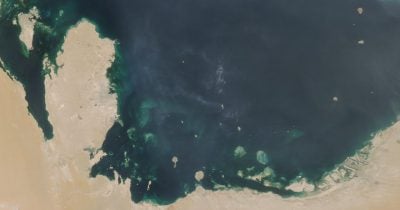
President Trump said the United States has "total control" over the Strait of Hormuz, a key oil shipping route, as tensions with Iran continue to simmer. The assertion, made without a specific date or venue, could complicate diplomatic efforts and send ripples through global energy markets.
The assertion and its context
Trump's comments underscore the administration's hardline stance toward Tehran. The strait is a vital waterway for global oil trade, and any threat to its security is taken seriously by energy markets. The statement comes amid ongoing friction between the two countries, though the exact trigger for this particular remark wasn't specified.
The U.S. has long maintained a military presence in the region, and the president's language suggests a willingness to use that power to keep the strait open. But the tough talk could also be seen as a provocation, raising the stakes in an already tense standoff.
Diplomatic fallout
Increased U.S. assertiveness in the strait may hinder diplomatic resolutions, according to the facts. The hardline position could make it harder for Washington and Tehran to find common ground, even as other nations push for dialogue. The statement risks alienating allies who prefer a more measured approach to Iran.
Diplomats have long viewed the strait as a flashpoint. Any perception that the U.S. is escalating could undermine efforts to de-escalate. The president's words, while forceful, may not translate into a clear policy shift, but they do set a tone that complicates negotiations.
Energy market impact
Global energy markets are sensitive to any sign of conflict in the region. The statement adds to uncertainty, potentially affecting oil prices and shipping costs. Traders watch Hormuz closely because a disruption there would have immediate consequences for supply.
The strait handles a significant share of the world's oil, and even the threat of closure can spook markets. While no immediate price spike was reported, the long-term effect depends on whether the rhetoric leads to action. The market's reaction will be shaped by what happens next, not just what was said.
Regional stability
The region's stability is already fragile. The U.S. stance could escalate tensions with Iran and its neighbors, many of whom rely on the strait for their own exports. A more confrontational approach risks drawing in other countries and turning a diplomatic dispute into a broader conflict.
Iran has previously threatened to close the strait in response to pressure, and the U.S. assertion of control could be seen as a direct challenge. That dynamic makes the situation particularly volatile. The coming weeks will show whether the administration's position shifts as diplomatic efforts continue, but for now, the president's words have set a firm line.
It's unclear what the next step will be. No new talks have been announced, and the situation remains fluid. The impact on energy markets and regional security will depend on how both sides respond to the latest statement.