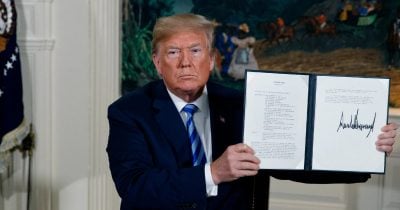
President Trump said the United States is "winning very big" against Iran, pointing to the economic and military measures his administration has deployed. The hardline stance, however, may end up prolonging the standoff, narrowing the path for diplomacy and adding a fresh layer of uncertainty to the global oil market.
Pressure Built on Sanctions and Military Posture
Trump's claim rests on the twin levers of economic sanctions and military pressure. The administration has used both as a campaign to force Tehran to change course. But the measures are also a double-edged sword. The longer they stay in place, the more they risk hardening Iran's position rather than bending it.
Diplomatic Off-Ramps Fade
The hardline approach leaves little room for negotiation. With Washington pushing for maximum pressure, Iran's incentives to come to the table shrink. Each side sees the other as intransigent, and that closes the door to a diplomatic resolution. What's left is a standoff that could stretch on for months, if not longer.
Oil Market Stability Hangs in the Balance
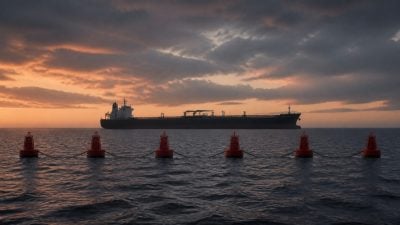
The standoff isn't just a matter between the two nations. It has the potential to ripple through the world's oil supply. Any instability in the region where a large share of crude moves through could quickly unsettle prices. The current situation may impact global oil market stability, which is a worry that extends far beyond the White House and Tehran.
The White House has signaled no change in course. The next few weeks will show whether the pressure can force a breakthrough or simply locks both countries into a longer fight. Right now, the only certainty is that the pressure campaign is not letting up.