The Trump administration's refusal to soften its approach toward Iran is likely to extend the current standoff, according to analysts tracking the fallout. The hardline posture reduces the already slim chances for a diplomatic resolution and threatens to destabilize a region already on edge, with global markets beginning to price in the risk of prolonged conflict.
Why the Stance Matters
Since taking office, Trump has maintained a policy of maximum pressure against Tehran, pulling out of the nuclear deal and reimposing sanctions. The strategy was meant to force Iran back to the negotiating table on tougher terms, but it has instead hardened positions on both sides. The result: a cycle of escalation that shows no sign of easing.
Without a clear diplomatic off-ramp, the risk of miscalculation grows. Iranian officials have repeatedly warned they won't talk under threat, while the White House has shown little appetite for compromise. The impasse leaves the region bracing for further confrontations—whether through proxy forces, cyber operations, or direct military incidents.
Impact on Regional Stability
Neighbors are feeling the strain. Gulf states, which rely on stable energy exports, face the prospect of shipping lanes being disrupted if tensions flare into open conflict. Iraq and Lebanon, already fragile, could be drawn into any wider conflagration. The US military presence in the Gulf remains high, a visible reminder that the situation could turn hot quickly.
Even without a major clash, low-level friction drains resources and attention from other regional challenges, such as rebuilding after years of war or countering non-state threats. The longer the standoff lasts, the deeper the instability seeps into local economies and political systems.
Market Repercussions
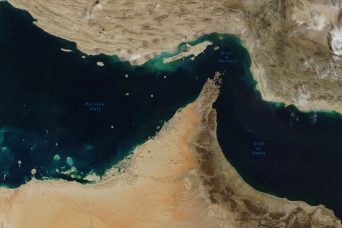
Investors are watching closely. Oil prices have already climbed on fears that a prolonged crisis could choke supply from the Strait of Hormuz. A sustained spike would ripple through global inflation, hitting consumers and central banks trying to tame price pressures. Equity markets in the Middle East and beyond have grown more volatile as each new round of rhetoric raises the stakes.
Safe-haven assets—gold, the US dollar, government bonds—have seen periodic demand surges. But uncertainty cuts both ways: too much caution can freeze investment, while any hint of de-escalation can spark sudden rallies. The situation leaves traders guessing at every turn.
Diplomatic Outlook
Efforts by European and Asian intermediaries to restart talks have gained little traction. The administration's insistence on preconditions—such as Iran halting all enrichment activities—is seen by many as a nonstarter in Tehran. Meanwhile, Iran's leadership faces domestic pressure to show strength, not compromise.
The result is a diplomatic vacuum that no major power has been able to fill. The US presidential election cycle adds another layer of uncertainty: a change in Washington could shift the approach, but for now, the hardline course is set. Whether either side will blink before then remains the open question.