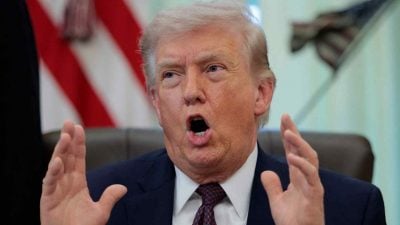
Donald Trump said the US is lifting the naval blockade, and ships may start heading home. The move could stabilize global oil markets. Separately, Iran's growing use of Bitcoin is prompting questions about whether regulators will step up scrutiny on cryptocurrencies tied to sanctioned nations.
The blockade and its oil impact
The naval blockade had been in place for months, tightening pressure on Iranian oil exports and contributing to supply jitters. Trump's announcement this week — that the blockade is being lifted — shifts the picture. Ships that were held back can now return to normal routes. That alone doesn't erase tensions in the Strait of Hormuz, but it does remove one layer of uncertainty.
Oil traders had been pricing in a continued standoff. With the blockade gone, the risk premium on crude may shrink. The White House hasn't detailed a timeline for the full withdrawal of naval assets, but the direction is clear.
Iran's Bitcoin use draws attention
Iran has been leaning on Bitcoin and other cryptocurrencies to bypass financial sanctions. The exact scale is unclear, but reports suggest the country's miners and traders are moving significant value through peer-to-peer networks and unregulated exchanges. That activity doesn't go unnoticed.
Regulators in the US, the EU, and the Financial Action Task Force have long flagged the risk of crypto being used to evade sanctions. Iran's Bitcoin use, especially following the blockade period, could accelerate new rules. The debate is likely to center on how to block flows without upending legitimate privacy and innovation.
The timing isn't great for the crypto industry, which has spent years trying to shake the perception that it's a haven for illicit finance. If Iran's activity leads to a broad sanctions-compliance crackdown, exchanges and wallet providers could face tighter know-your-customer requirements and transaction screening.
What happens next
Trump's lifting of the blockade takes effect immediately, but the Iran crypto question will take longer to resolve. The US Treasury and international bodies are expected to release guidance on cryptocurrency sanctions compliance in the coming months. For now, the two stories point in different directions — one eases a geopolitical flashpoint, the other may tighten the regulatory screws on digital assets.