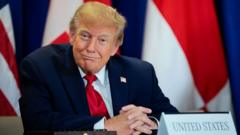
President Trump is not rushing to end the conflict with Iran, a stance that complicates the chances of a peace deal and risks prolonging tensions between Washington and Tehran. The slow pace, according to the White House's own signals, is deliberate, but it carries consequences beyond the immediate standoff.
A Deliberate Stance
The administration has made no move to accelerate diplomatic talks or de-escalate military posturing. Instead, the president appears willing to let the conflict run its course, even as the costs mount. That approach, while consistent with Trump's preference for pressure over haste, leaves the region in a state of uncertainty.
Officials have not offered a timeline for when negotiations might begin or what conditions would trigger a shift. The lack of urgency suggests the White House sees the current situation as acceptable, at least for now.
Peace Prospects at Risk
The decision not to push for a swift resolution undermines the likelihood of a lasting agreement. With each passing week, the window for a negotiated settlement narrows. The two sides remain far apart on core issues, and the absence of a clear U.S. commitment to talk sends a message that could harden positions on both ends.
Analysts note that prolonged tensions tend to reduce the space for compromise, but the president has shown little appetite for the kind of back-channel diplomacy that often precedes breakthroughs. The result is a stalemate that could stretch on, making a peace deal less attainable with time.
Regional and Economic Fallout
The extended standoff is not confined to the two capitals. Regional stability, already fragile, faces additional strain as neighbors and allies wait to see which direction the conflict takes. Shipping lanes, energy markets, and security arrangements all remain in flux, and the uncertainty is a drag on economic recovery efforts across the area.
Investment decisions are being postponed, insurance premiums on cargo have crept up, and governments are spending more on defensive measures. The longer the tension persists, the deeper the economic scars will be. For ordinary people, that means higher prices and fewer opportunities, even if the conflict never escalates to full-blown war.
The White House has not indicated any shift in approach. Trump's preference for personal diplomacy, when it comes, may be the only variable that changes the calculus. But with no overture on the table, the conflict grinds on.
Will the slow approach eventually produce a deal, or will it simply bake in a longer period of instability? That question remains unanswered, and the clock is ticking.