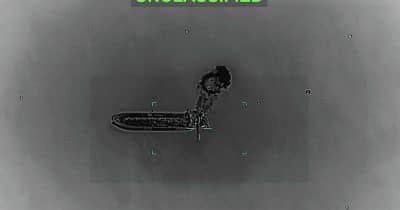
President Donald Trump has directed the US military to safeguard oil tankers transiting the Strait of Hormuz, a move aimed at calming volatile energy markets. The decision, announced today, comes amid rising regional tensions. For crypto traders and builders, the development carries double weight: stable oil prices would ease pressure on mining operations, but the heightened geopolitical posture may embolden regulators to tighten oversight on digital asset innovation.
What the order does
The directive tasks naval forces with escorting commercial oil tankers through the narrow waterway, through which about a fifth of the world's petroleum passes. The Pentagon has not released the number of vessels involved or the duration of the operation. It's a straightforward show of force, but one with complex downstream effects.
Why crypto traders care
Stable energy prices directly affect bitcoin mining profitability, which relies on cheap electricity. A prolonged disruption in the Strait of Hormuz could spike oil costs, raising miners' expenses and potentially squeezing margins. Conversely, a successful military escort mission could reassure markets and keep energy costs in check. Bitcoin's hash rate has climbed steadily this year, making miners more sensitive to input costs.
Regulatory crosswinds
The bigger question for the crypto industry is whether this military action invites closer regulatory scrutiny. The White House hasn't linked the deployment to digital assets, but the justification — protecting critical infrastructure and economic stability — provides a template for broader oversight. Lawmakers in Washington have already proposed bills targeting crypto's energy consumption. The Strait of Hormuz operation could shift the conversation from theoretical to practical, as policymakers frame crypto as a national security concern tied to energy security. That's a risk for crypto innovations that might otherwise fly under the radar.
What comes next
The immediate test is whether the escort mission actually stabilizes oil prices. Traders on crypto exchanges are watching crude futures as a leading indicator. On the policy side, the House Financial Services Committee is expected to hold a hearing on crypto energy use later this month. The outcome of that session may set the tone for how aggressively regulators act in the wake of the military deployment. No one's predicting a direct crackdown, but the dots are there to connect.