The US Central Command has taken action against the oil tanker M/T Settebello, disabling the vessel for violating the Iran blockade. The move, which heightens tensions between the United States and India, also carries implications for global shipping costs. It underscores persistent challenges in enforcing the blockade.
What happened aboard the Settebello
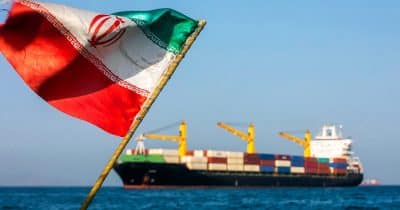
US Central Command confirmed that the M/T Settebello—a tanker involved in transporting oil—was disabled after it breached the blockade imposed on Iran. Details on how the vessel was disabled, whether through a boarding operation or other means, have not been released. The ship is now out of operation.
Why it affects US-India ties
The Settebello is linked to Indian shipping interests. New Delhi has maintained its own energy ties with Tehran, walking a careful line between US sanctions and its own energy needs. The disabling of the tanker puts that balancing act in the spotlight. India hasn't issued a formal response yet, but the incident is expected to strain diplomatic relations.
Shipping costs take a hit
Global freight rates are already volatile, and disruptions like this one add uncertainty. Each time a tanker is taken out of service, the supply of available vessels tightens, pushing up charter rates. The Settebello's removal from the fleet will likely be felt in the coming weeks as shippers adjust routes and insurance premiums rise.
The challenge of enforcing a blockade
Patrolling the waters around Iran is a huge task. The US Navy and its allies intercept vessels regularly, but for every ship they stop, others slip through. The Settebello case shows that even when a violator is caught, the enforcement process is costly and slows down global commerce. It's a reminder that blockades are never airtight.
What happens next? The Settebello remains disabled, and its crew is likely being questioned. US Central Command will decide whether to seize the cargo or let the vessel go after penalties. Meanwhile, India may push for compensation or a diplomatic clarification. The broader question—how to stop Iran's oil exports without sparking a wider conflict—remains unanswered.