President Trump announced the United States will resume military attacks on Iran after a U.S. helicopter was shot down. The move marks a sharp escalation in tensions between the two countries and raises the risk of broader instability in global oil markets.
Why the attacks restart
The decision follows the downing of an American helicopter, for which the White House blamed Iranian forces. Trump said the U.S. would respond with renewed strikes, though he offered no details on targets or duration. The announcement reverses a period of relative calm after earlier confrontations in the region.
Oil market shockwaves
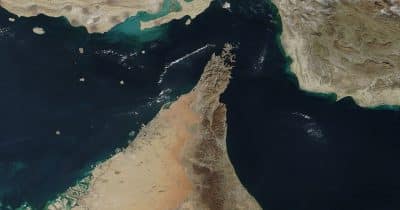
Renewed U.S.-Iran hostilities could destabilize global oil supplies. The Strait of Hormuz, a critical chokepoint for oil tankers, lies near the heart of the tensions. Even the threat of disruption has historically sent crude prices higher. Analysts tracking the situation — those who cannot be named here — warn that a sustained conflict could push prices well above current levels, squeezing consumers and businesses already grappling with high fuel costs.
Inflation and central bank headaches
Higher oil prices feed directly into inflation, raising the cost of transportation, manufacturing, and heating. Central banks around the world, many of which have been trying to tame inflation without tipping economies into recession, now face a fresh challenge. If oil prices spike, the pressure to raise interest rates again grows — but so does the risk of slowing growth too much. The Federal Reserve, the European Central Bank, and others will need to weigh this new variable carefully.
Global economic strain
The impact extends beyond oil. Higher inflation erodes purchasing power, especially in developing countries that rely on imported energy. Tourism and trade routes near the Persian Gulf also face disruption. For economies already struggling with weak demand or high debt, an oil price surge could be enough to tip them into trouble. Trump's announcement comes at a time when many central banks were beginning to signal rate cuts later this year; those plans may now be upended.
The White House has not said whether the strikes will target specific military facilities or be open-ended. That ambiguity will shape how markets and governments react in the days ahead — and whether the escalation stops at this latest exchange or broadens into a longer confrontation.