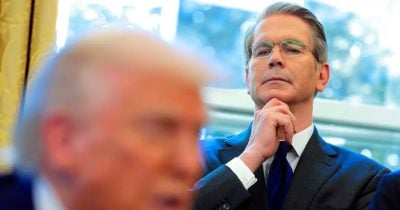
President Trump is preparing to confront Chinese President Xi Jinping directly over purchases of Iranian crude oil, escalating a dispute that threatens to roil global energy markets and complicate already fragile US-Iran nuclear negotiations. The planned confrontation comes against a backdrop of mounting tensions between Washington and Beijing on trade, technology, and regional security.
A New Flashpoint in US-China Relations
The White House has signaled that Trump intends to raise Iran oil imports as a central issue in his next interaction with Xi. While the exact venue and timing remain unannounced, the move marks a significant escalation in pressure on China, the largest single buyer of Iranian crude. The Trump administration has repeatedly warned that secondary sanctions could hit any nation that continues to trade with Tehran after US withdrawal from the 2015 nuclear deal.
Oil Markets on Edge
Any disruption to Chinese purchases of Iranian oil could tighten global supply and push prices higher, especially as OPEC+ already maintains production cuts. The prospect of a direct US-China confrontation over energy adds another layer of uncertainty to a market already strained by geopolitical risk. Traders are watching closely for any sign of retaliation from Beijing, which could include tariffs or reduced purchases of US energy exports.
Iran Nuclear Talks at Risk
The confrontation also threatens to derail ongoing efforts to revive the 2015 nuclear agreement. European mediators and Iranian officials have been trying to bring the US back into the deal, but a new US-China standoff over oil could harden Tehran's negotiating stance. China has been a key backer of the nuclear deal and a leading economic partner for Iran. Any US action against Chinese oil imports could push Beijing to more openly support Iran's position, further isolating Washington.
The Trump administration has not detailed how it plans to enforce the oil sanctions against China, nor has it set a deadline for the confrontation with Xi. What is clear is that the dispute is no longer just about trade — it's now central to the future of the Iran nuclear deal and the stability of global oil supplies.