President Donald Trump has proposed a temporary suspension of the federal gas tax, aiming to ease the sting of rising fuel prices tied to the ongoing conflict with Iran. The move, floated as a short-term fix, would cut the 18.4-cents-per-gallon tax on gasoline and 24.4 cents on diesel. But it comes with a trade-off: less money for highways and bridges.
Why the tax is on the table
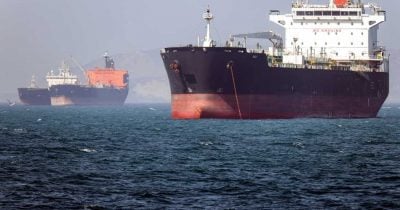
Gas prices have climbed steadily since the U.S. military campaign in Iran began disrupting global oil shipments. Drivers are feeling the pinch at the pump, and the White House is looking for a quick way to deliver relief. Suspending the federal gas tax — which has been unchanged since 1993 — would shave a few cents off each gallon. For the average household, that might mean saving $20 to $30 a month, depending on driving habits.
The proposal isn't new. Similar ideas have surfaced during past price spikes, only to stall in Congress. This time, Trump is pressing the issue as part of a broader economic message ahead of the next election cycle. But whether lawmakers will bite is another matter.
The price of relief
Suspending the tax doesn't come free. The federal gas tax funnels roughly $40 billion a year into the Highway Trust Fund, which pays for road repairs, bridge replacements, and transit projects. A temporary halt — even for a few months — would blow a hole in that budget. States could see delayed construction seasons and deferred maintenance on crumbling infrastructure.
Critics argue that the relief would be both minor and temporary. A few cents off per gallon won't change behavior for most drivers, and the savings could evaporate if oil prices keep climbing. Meanwhile, the long-term cost to the country's roads and bridges could run into the billions. The White House hasn't said how it would make up for the lost revenue.
What happens next
The proposal now heads to Capitol Hill, where it faces an uncertain path. Some Republicans have expressed support for any measure that lowers consumer costs. But fiscal hawks worry about adding to the deficit, and Democrats are likely to push for a targeted tax on oil companies instead of a blanket suspension.
No formal bill has been introduced yet. The administration hasn't set a timeline for the suspension — whether it would last three months, six months, or until the Iran conflict ends. That ambiguity makes it hard for states to plan their budgets.
For now, drivers can only watch the pumps and wait. The next move belongs to Congress.