President Trump has rejected a peace proposal from Iran, a move that dashes any near-term expectation of a revived nuclear deal between the two countries. The White House decision pushes US-Iran relations deeper into a standoff and sends ripples through regional security and global markets.
A blow to diplomatic efforts
The rejection comes at a time when diplomatic channels had shown faint signs of life. Iranian negotiators had floated the proposal as a possible framework to break years of deadlock over Tehran's nuclear program. But the White House turned it down flat, without signaling a willingness to counter-offer. That makes a nuclear agreement — something the US walked away from in 2018 — even more unlikely in the near term.
The decision is a clear sign that the administration sees no advantage in re-engaging while Iran continues to enrich uranium at levels that alarm Western governments. It also reflects a broader strategy of maximum pressure rather than negotiation. For now, the diplomatic track is stalled.
Markets feel the chill
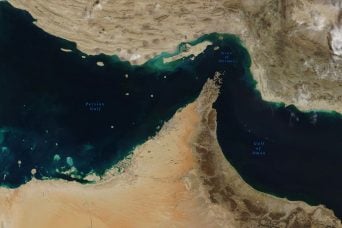
The rejection didn't just hit the diplomatic circuit — it also rattled investors. The prospect of renewed conflict or a deepening crisis in the Strait of Hormuz tends to spook oil markets, and the lack of a deal removes a stabilizing factor. Market confidence has been affected, with traders watching for any escalation that could disrupt supply chains or regional trade.
Oil prices edged up on the news, and defense stocks saw modest gains as the risk premium on Middle East exposure climbed. The impact wasn't dramatic, but it's a reminder that the absence of a deal carries its own economic cost.
Regional stability under pressure
The heightened US-Iran tensions aren't just a bilateral problem. Neighbors from Saudi Arabia to Iraq to the Gulf states are directly affected. A nuclear standoff makes it harder for them to plan investments, secure shipping lanes, or manage their own diplomatic relations with both Washington and Tehran. The rejection of the peace proposal removes one possible off-ramp and leaves the region bracing for more friction.
European allies, who had been quietly pushing for a renewed diplomatic push, are now left without much to work with. They've seen this pattern before: the US pulls back, Iran accelerates enrichment, and everyone waits for the next crisis.
Whether any further proposals emerge from Tehran or from third-party mediators is unclear. What's certain is that the path to a nuclear deal has narrowed again, and the consequences aren't limited to the negotiating table.