President Donald Trump has suggested the United States could broaden its military targets in Iran, raising the stakes in an already volatile confrontation. The hint, delivered without a formal announcement or detailed timeline, immediately stirred concern among allies and adversaries alike over the potential for a wider conflict.
What the president said
Trump did not specify which targets might be added or what new operations he envisions. But the implication was clear: the current scope of U.S. military action in Iran may not be enough. The remark came amid ongoing hostilities that have already drawn in regional proxy forces and disrupted shipping lanes in the Persian Gulf. Officials in Washington offered no further elaboration, leaving analysts and foreign governments to parse the president's words for clues about actual next steps.
Risks to diplomacy
A broader military campaign could undercut any remaining diplomatic off-ramps. Several European nations have pressed for negotiations, and the United Nations has called for restraint. Expanding the list of targets would likely harden Tehran's position and push back the possibility of talks. For months, back-channel efforts have struggled to gain traction; a wider offensive could kill them entirely.
Strain on alliances
Allies in Europe and the Middle East have watched the U.S.-Iran standoff with growing unease. NATO members have already resisted deeper involvement in the conflict. A move to expand military targets risks further fracturing those relationships. The Gulf states, particularly Saudi Arabia and the United Arab Emirates, have tried to balance security concerns with a desire to avoid being dragged into open war. Any escalation could force them to choose sides publicly—a choice none of them want to make.
Regional security and global markets
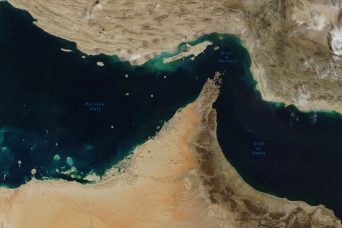
A wider campaign in Iran threatens to destabilize the entire region. Iraq and Syria have already seen spillover violence. An intensified U.S. military posture could trigger retaliation against American bases, energy infrastructure, or commercial shipping. The Strait of Hormuz, a chokepoint for about 20 percent of the world's oil, remains a flashpoint. Investors have taken notice. Global markets are sensitive to any sign of escalation in the Gulf, and crude prices have edged up on the news. A sustained conflict could push them higher, affecting everything from gasoline prices to inflation in major economies.
What comes next
No official directive has been issued. The Pentagon has not announced any redeployment of forces or change in rules of engagement. For now, the president's hint remains just that—a signal of a potential shift, not a confirmed course of action. Allies, adversaries, and markets are left waiting to see whether words turn into orders.