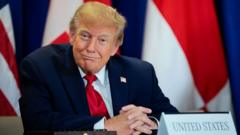
Former President Donald Trump criticized major oil companies for their profits as gasoline prices across the U.S. climbed above $4 a gallon. The comments signal a potential shift in energy policy and add to concerns about inflation and consumer spending.
Why the criticism now
Gas prices have been rising for weeks. The national average hit $4 per gallon earlier this month, a level not seen in years. Trump's critique comes at a time when many Americans are feeling the pinch at the pump. He accused oil giants of putting profits ahead of consumers.
The timing is notable. With midterm elections approaching, energy costs are a hot-button issue. Trump's remarks could put pressure on current administration officials to respond. They also highlight a divide within the Republican party over energy policy.
Trump's criticism suggests he may be moving toward a more populist stance on energy. During his presidency, he championed deregulation and expanded oil and gas drilling. Now, his focus on industry profits could signal support for measures like a windfall profits tax or stricter oversight.
Any shift in Trump's position could influence the broader Republican platform. Some lawmakers have already called for investigations into oil company pricing. The debate over energy policy is likely to intensify as the election cycle heats up.
Impact on consumers and markets
Higher gas prices directly affect household budgets. When fuel costs rise, consumers have less to spend on other goods and services. That can slow economic growth. Inflation, already elevated, gets another push upward.
Financial markets are watching closely. Energy stocks have seen gains as oil prices rise, but the broader market is jittery. The Federal Reserve faces a tough balancing act: raising interest rates to fight inflation without triggering a recession.
The situation is fluid. Trump's critique adds a political dimension to an already complex economic picture. Whether his words lead to concrete policy changes remains an open question. For now, the focus is on how the White House and Congress respond to rising prices at the pump.