President Donald Trump has been in regular contact with Federal Reserve Chair Kevin Warsh since May, according to a report from The Wall Street Journal. The conversations have centered on how the Iran war and the rise of artificial intelligence are affecting the economy — but, one person familiar with the matter said, interest rates have not come up since Warsh’s Senate confirmation.
The calls come at a delicate moment for the central bank. The Federal Open Market Committee voted 9-3 at its last meeting to hold rates steady, with three members pushing for an immediate rate hike and later explaining their dissents. That decision sent the 30-year Treasury yield to its highest level since before the 2007-08 financial crisis.
What the calls are about
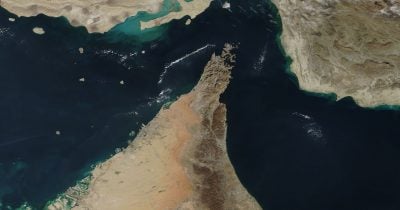
Trump’s outreach to Warsh has been reported as a series of conversations touching on two big macroeconomic forces: the ongoing conflict with Iran and the rapid development of artificial intelligence. Neither topic directly involves the Fed’s traditional mandate of price stability and maximum employment, but both carry implications for inflation and growth. The White House has not commented on the calls, and Warsh’s office declined to discuss them.
The fact that borrowing costs haven’t come up is notable. It suggests Trump is either respecting the Fed’s independence on rate decisions — or is simply saving that conversation for another day. Either way, the calls are drawing attention because of the historical precedent of presidents leaning on Fed chairs.
A history lesson from Nixon
In 1972, President Richard Nixon pressured then-Fed Chair Arthur Burns to loosen policy ahead of his re-election bid. Burns cut the discount rate before the November election. The federal funds rate later jumped from 4.49% to 9.71% in 1973, fueling a cycle of inflation that took years to break. Historians still debate whether Burns acted from conviction or political pressure.
That episode hangs over any modern interaction between the White House and the Fed. Warsh, who took office after a contentious confirmation, has so far said little publicly about his relationship with Trump. But that approach may not be sustainable, according to Loretta Mester, former president of the Federal Reserve Bank of Cleveland.
“Saying little is not sustainable,” Mester said, without elaborating on what she believes Warsh should do instead.
Jackson Hole and the independence question
Warsh is scheduled to address the issue of Fed independence at the central bank’s annual Jackson Hole retreat this month. The symposium, held in Wyoming, is traditionally a venue for major policy speeches. His remarks will be closely watched for any signal about how he intends to navigate the relationship with a president who has not shied away from commenting on monetary policy.
The timing is tight. The FOMC’s next meeting is in September, and the split vote at the last meeting — 9-3 — shows a committee that is far from unified. The three dissenters who wanted a rate hike have not been named publicly, but their push suggests internal pressure to tighten even as the broader economy shows mixed signals.
The jump in the 30-year yield after the last meeting adds another layer. Long-term rates rising when the Fed holds short-term rates steady can signal that bond markets expect higher inflation or larger deficits down the road. That’s the kind of development that could force the Fed’s hand, regardless of what Trump and Warsh discuss on the phone.
For now, the unanswered question is whether Warsh’s Jackson Hole speech will draw a clear line — or leave room for more calls from the White House.