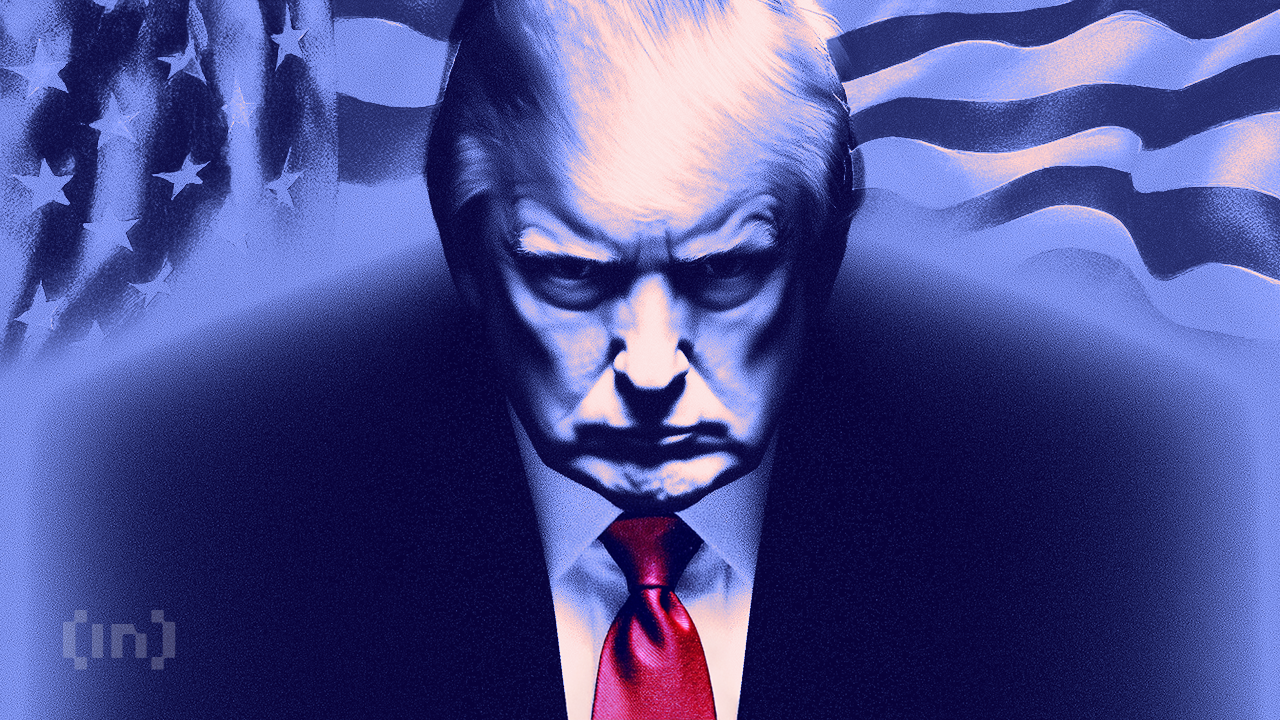
President Trump is facing mounting criticism from lawmakers in both parties over plans to import diesel from Russia, a proposal announced just weeks before the US midterm elections. Republicans and Democrats alike have spoken out against the deal, putting the White House on the defensive at an awkward moment in the political calendar.
A bipartisan problem
It's not often that Republicans and Democrats agree on much these days, but the Russian diesel plan has managed to unite them — at least in opposition. The criticism is coming from across the aisle, which makes the pushback harder for the administration to dismiss as partisan noise.
📊 Market Data Snapshot
The deal was announced with little warning, and the timing has raised eyebrows. Importing energy from Russia sits uneasily with the sanctions regime the US has maintained against Moscow, and lawmakers are clearly uncomfortable with the optics of sending money in that direction.
There's also the matter of domestic politics. Diesel prices are a kitchen-table issue, and anything that looks like it could either lower or raise them is going to get attention in an election season. Whether the plan actually helps consumers is a separate question from whether it's politically survivable.
The sanctions question hanging over it
Any import of Russian diesel would run into the US sanctions apparatus, which means waivers or exemptions would likely be required to make it happen. That's not a small detail. It also explains why the backlash has been so quick — lawmakers don't want to be seen waving through anything that looks like a concession to Moscow.
Russian oil giant Rosneft is itself subject to US sanctions, and any deal involving Russian fuel would need careful legal footwork. Whether the administration has a path around that isn't clear yet. What is clear is that the political cost of pursuing it is rising by the day.
Why crypto traders should care
The connection to digital assets isn't direct, but it isn't zero either. Crypto miners who rely on diesel-generated power in remote operations could find themselves caught up in secondary sanctions scrutiny if the US tightens enforcement around Russian-origin fuel. That's a tail risk, not a base case, but it's worth watching for operators with exposure to diesel supply chains.
More broadly, the episode adds another layer of geopolitical noise to a market that's already digesting plenty of it. Bitcoin has been holding up, but political instability in Washington has a way of spilling into risk sentiment across the board.
There's also a legislative angle. A bipartisan fight over Russian diesel eats up political capital, and that's capital that might otherwise go toward crypto market structure bills. If the controversy drags on, expect any movement on digital asset legislation to slow to a crawl.
What to watch
The immediate question is whether the administration backs off, doubles down, or tries to thread the needle with a sanctions workaround. Lawmakers have signalled they want answers, and the midterms are close enough that every day matters.
Watch for any formal response from the White House, and keep an eye on whether the backlash hardens into legislative action. If it does, the crypto bills waiting in the wings could be the first casualty.