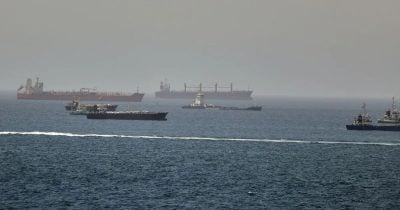
The United Arab Emirates launched strikes on an Iranian refinery located on Lavan Island, a small island in the Persian Gulf, escalating already high tensions between the two nations. The attack, which occurred in recent hours, targets a key piece of Iran's energy infrastructure and threatens to rattle global oil markets already on edge.
The Target: Lavan Island Refinery
Lavan Island sits off the coast of Iran in the Persian Gulf, hosting a refinery that processes crude oil for export. The facility is part of Iran's broader network of refineries and terminals that feed into the global supply chain. Details on the extent of damage from the UAE strikes remain unclear, but the location's strategic importance means any disruption could have broad effects.
Escalation in the Gulf
The strikes mark a significant step-up in military action between the UAE and Iran. For months, the two countries have traded accusations over regional influence, maritime incidents, and proxy activities. This direct attack on Iranian soil — even on a remote island — crosses a line that many analysts had considered unlikely. The UAE has not yet issued a formal statement explaining the rationale, but the timing suggests a calculated move to pressure Tehran.
The Iranian government has not responded publicly, but officials are expected to address the incident soon. Retaliation is a near-certainty, though the form it takes — cyberattacks, proxy strikes, or direct military action — remains unknown.
Global Oil Markets on Edge
Oil prices have already begun to react. Traders are pricing in the risk of supply disruptions from the Persian Gulf, a chokepoint for roughly a fifth of the world's crude. The Lavan Island refinery processes a significant volume of oil, and its temporary shutdown could tighten supply at a time when inventories are already low. If the conflict widens, the Strait of Hormuz — through which a large share of Gulf oil passes — could become a flashpoint.
Brent crude futures rose sharply in early trading, and further volatility is expected as more information emerges. The UAE's decision to strike an energy asset signals a willingness to hit Iran's economic lifeline, which could invite a reciprocal strike on Emirati energy infrastructure.
Airspace Closures and Regional Stability
One immediate consequence is the likely closure of airspace over parts of the Gulf. Civil aviation authorities in the region have issued warnings to airlines, advising them to reroute flights away from the area. The airspace above Lavan Island and surrounding waters may be restricted as military activity continues. Such closures disrupt travel and cargo flights, adding another layer of economic cost.
Regional stability is now in question. The UAE and Iran have coexisted with tension but avoided direct military exchanges for decades. This strike breaks that unwritten rule. Neighboring countries, including Saudi Arabia and Qatar, have called for restraint, but their influence may be limited. The United States has not commented publicly, but its naval presence in the Gulf means any escalation could draw in outside powers.
The next moves will be decisive. Iran's leadership must decide whether to respond immediately or through longer-term proxies. The UAE will weigh whether further strikes are necessary or if this single operation achieved its goal. For now, the world watches the Persian Gulf — and the oil markets hold their breath.