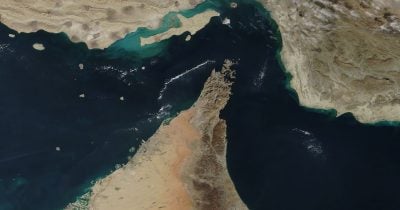
The UK and France will lead a multinational mission to escort commercial vessels through the Strait of Hormuz, a move that signals a shift toward collaborative maritime security in one of the world’s most critical chokepoints for oil shipments. The initiative, announced jointly by the two governments, aims to protect shipping lanes that have come under repeated threats from regional instability.
A strategic waterway under pressure
The Strait of Hormuz, a narrow passage between the Persian Gulf and the Gulf of Oman, carries about a fifth of the world’s oil supply. Recent attacks on tankers and seizures of vessels have raised insurance costs and disrupted schedules, pushing shipping companies to seek safer routes. The new escort mission is designed to provide a visible naval presence that can deter or respond to incidents.
Collaborative security takes shape
This is not a unilateral effort. The UK and France are inviting other nations to contribute ships, patrol aircraft, or personnel. The goal is a flexible coalition that can operate under a unified command structure. Past attempts to secure the strait have often been led by a single country, but this mission reflects a growing recognition that no one navy can cover the area alone. The exact number of participating countries and vessels has not been finalized, but officials expect several European and regional partners to join in the coming weeks.
Impact on oil markets
Stable passage through the Strait of Hormuz directly affects global crude prices. When shipping there feels risky, traders add a risk premium to oil contracts. A reliable escort system could lower that premium, making energy costs more predictable for importers in Asia, Europe, and beyond. The mission’s potential to stabilize the region’s oil trade routes is one reason the UK and France are prioritizing it now, even as they manage other naval commitments.
The mission is still being organized. Command arrangements, rules of engagement, and the exact start date are expected to be announced after further consultations with partner nations. What’s clear is that the strait’s security is no longer a concern for coastal states alone — it’s a collective problem that demands a collective answer.