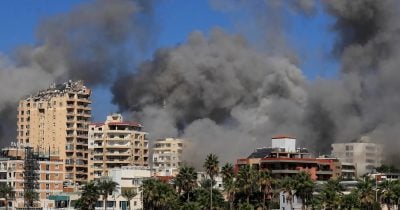
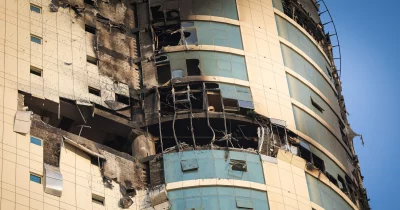
Ukraine has reported a drone strike on a nuclear fuel storage facility located near the Chernobyl exclusion zone. The attack, which targeted infrastructure adjacent to the former nuclear power plant, has reignited fears about the safety of atomic sites amid the ongoing war. The exact extent of damage and whether any radiation was released remain unclear, but the incident marks another direct hit on energy infrastructure with atomic materials nearby.
A pattern of targeting nuclear sites
This is not the first time a nuclear facility in Ukraine has come under fire. Repeated strikes on such sites have drawn international alarm. The latest incident near Chernobyl — a name that still carries the weight of the 1986 disaster — underscores a broader, dangerous trend: the use of military force in proximity to radioactive materials. Ukrainian officials have not confirmed whether the fuel storage was breached, but the mere proximity of the strike is enough to raise questions about safeguards.
Global nuclear safety watchdogs have repeatedly warned that even a glancing blow to a reactor or waste storage can have catastrophic consequences. The Chernobyl facility itself remains under Ukrainian control, but its location in contested territory has made it vulnerable. The drone strike adds to a growing list of close calls that include shelling near a working nuclear plant in the country's south.
Why the location matters
The Chernobyl site still contains spent nuclear fuel and radioactive waste, even though its reactors have long been shut down. A fuel storage facility near the zone holds fresh and used rods, making it a target that could, in the worst case, disperse contamination. While the outer layers of containment are designed to withstand minor impacts, a direct strike by a drone carries unknown risks.
International monitors have struggled to gain access to the area since the full-scale invasion began. The lack of independent verification means the world must rely on Ukrainian reports. So far, no abnormal radiation levels have been reported, but the margin for error is thin.
Repeated targeting of nuclear sites in Ukraine raises global concerns about nuclear safety. The situation presses a fundamental question: how to protect fixed, high-risk installations in an active war zone. The answer is not straightforward, as both sides have accused each other of attacks on critical infrastructure.
The reported strike is likely to be raised at the next meeting of nuclear safety regulators. Ukraine has called for a dedicated monitoring mission around its nuclear sites, but no agreement has been reached. Until then, the threat remains — and a single miscalculation near Chernobyl could echo far beyond the battlefield.