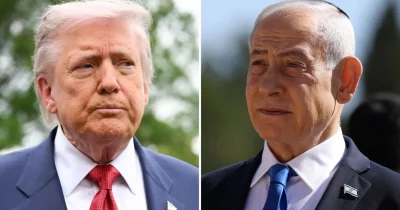
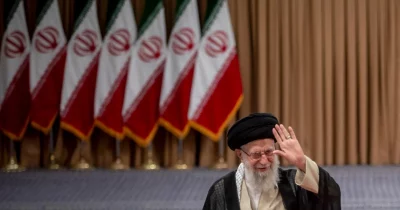
The United States and Iran are set to finalize a peace deal by Sunday afternoon, a development that could reshape the Middle East and ripple through global energy markets. The agreement, reached after months of back-channel talks, represents the most significant diplomatic breakthrough between the two nations in decades.
What the deal covers
Officials have not disclosed the full terms, but the deal is expected to address long-standing disputes over Iran's nuclear program and regional military activities. Both sides have signaled a willingness to de-escalate tensions that have fueled proxy conflicts from Yemen to Syria. The Sunday deadline comes after intensive negotiations held in a neutral Gulf state.
Why oil markets are watching
A lasting peace could stabilize a volatile region that supplies about a fifth of the world's crude. Analysts have long warned that a conflict between Washington and Tehran could send oil prices soaring. The deal's impact on global oil markets will depend on whether sanctions on Iranian exports are lifted. Iran holds some of the world's largest proven oil reserves, and its return to formal markets could increase supply.
A precedent for future diplomacy
If finalized, the agreement would set a precedent for diplomatic negotiations in a region where military confrontation has often been the default. The US-Iran track has been plagued by mistrust since the 1979 revolution. This deal, if it holds, could encourage similar frameworks for other flashpoints, such as the Yemen war or the Israeli-Palestinian conflict.
Both governments are racing to iron out remaining wrinkles before Sunday afternoon. The world will be watching to see if the signatures are actually inked — and whether the peace lasts.