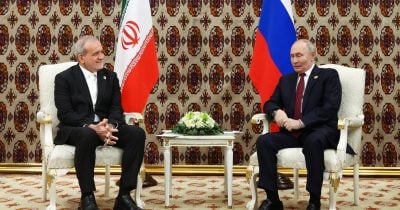
The United States and Iran are nearing a one-page memorandum agreement that could bring an end to their long‑running conflict. If finalized, the compact would mark a rare diplomatic breakthrough between the two adversaries and carries the potential to stabilize regional tensions while reducing immediate military threats across the Middle East.
A terse document with big stakes
The agreement, described as a single‑page memorandum, is being drafted in behind‑the‑scenes talks. Its brevity is intentional — negotiators want a framework that can be signed quickly, without the layers of detail that have bogged down previous efforts. The core goal is to halt active hostilities and open a path for further discussions.
Officials familiar with the process say the memorandum does not try to solve every point of contention. Instead, it aims to produce a mutual commitment to de‑escalation, buying time for more complex negotiations on issues like Iran's nuclear program and regional proxies. The one‑page format also makes it harder for either side to claim the other is violating terms that don't exist.
Potential for de‑escalation
If signed, the memorandum could immediately reduce the risk of direct military confrontation. US forces in the Persian Gulf have remained on heightened alert for months, and Iran's support for armed groups in Yemen, Syria, and Iraq has kept the region volatile. A formal agreement — even a short one — would signal that both capitals prefer diplomacy over a wider war.
Regional capitals have welcomed the news. Gulf states, in particular, have been pushing Washington and Tehran to lower the temperature, fearing that any conflict would disrupt oil shipments and draw in their own militaries. The European Union, which has acted as a back‑channel facilitator, also stands ready to help implement any deal.
What comes next
The memorandum still faces hurdles. Hardliners on both sides view any compromise as a threat: in Iran, critics accuse negotiators of trading away national pride; in the US, some lawmakers argue that a short document cannot guarantee that Iran will curb its missile program or stop arming militias. The window for signing remains narrow, as mid‑term political pressures build in both countries.
The next few weeks will test whether the one‑page pledge can survive those crosswinds. If it does, the focus will shift to what comes after — a second round of talks, likely months longer, aimed at a more detailed accord. For now, the world watches a single sheet of paper that could change the course of a region.