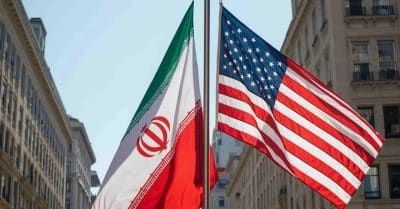
A draft memorandum of understanding between the United States and Iran has been proposed, aiming to dial down years of friction. The document, still in early form, would focus on stabilizing the Persian Gulf—a region where even small misunderstandings can rattle energy markets and military postures.
What the Draft MOU Is Meant to Do
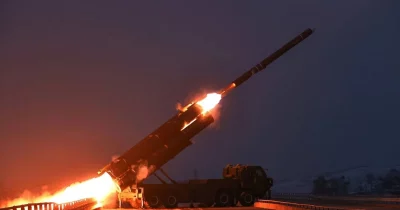
The proposed agreement is designed to ease tensions between Washington and Tehran. Ties between the two countries have been strained for decades, but recent flare-ups—including incidents involving tankers and drone activity—have raised the stakes. A formal framework, even a tentative one, signals both sides are at least talking.
The draft does not contain binding commitments yet. It's a starting point. Negotiators on both sides would need to hammer out specifics, but the mere existence of a written proposal is a step forward after months of back-channel signals.
Strait of Hormuz at the Center
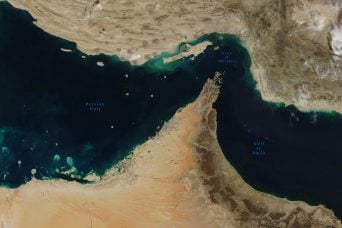
A key practical effect of any deal would be smoother transits through the Strait of Hormuz. About a fifth of the world's oil passes through that narrow waterway. Any disruption there—whether from mines, seizures, or military standoffs—sends oil prices climbing and insurers scrambling.
If the MOU takes hold, ship traffic could become more predictable. Maritime security would improve, which means lower risk premiums for shippers and fewer interruptions for global supply chains. That's not just good for oil markets; it's a boost for regional economic prospects across the Gulf states.
Regional Stability and Economic Ripple Effects
The draft MOU is also meant to stabilize geopolitics across the broader Persian Gulf. Iran's neighbors—Saudi Arabia, the UAE, Qatar, Oman—have their own rivalries and alliances. A US-Iran understanding could reduce the chances of proxy conflicts and miscalculations that drag in multiple capitals.
Calmer waters, literally and figuratively, tend to attract investment. If the region looks less likely to erupt, infrastructure projects and trade routes become more viable. The draft doesn't guarantee any of that, but it opens a door that was previously locked.
Next Steps for the Draft
The draft MOU is just that—a draft. It hasn't been signed or even formally acknowledged by either government. Talks are ongoing, and plenty could derail them: domestic political pressure in Tehran, skepticism in Washington, or a fresh incident at sea.
For now, the document sits as a tentative olive branch. Whether it grows into something binding depends on whether both sides see more value in talking than in confronting.